
Pre-Shipment Cable Tests: What Buyers Should Ask to See
Pre-shipment cable tests should show whether the supplied cable meets the agreed specification. A useful inspection plan identifies the product, the checks required, the acceptance limits and the records that will accompany the delivery. A list of laboratory instruments does not provide that information.
The tests also need different sampling arrangements. Some checks concern production lengths, others use selected samples, and others qualify a design. Burning, ageing or breaking a specimen is not a test to apply indiscriminately to every finished drum.
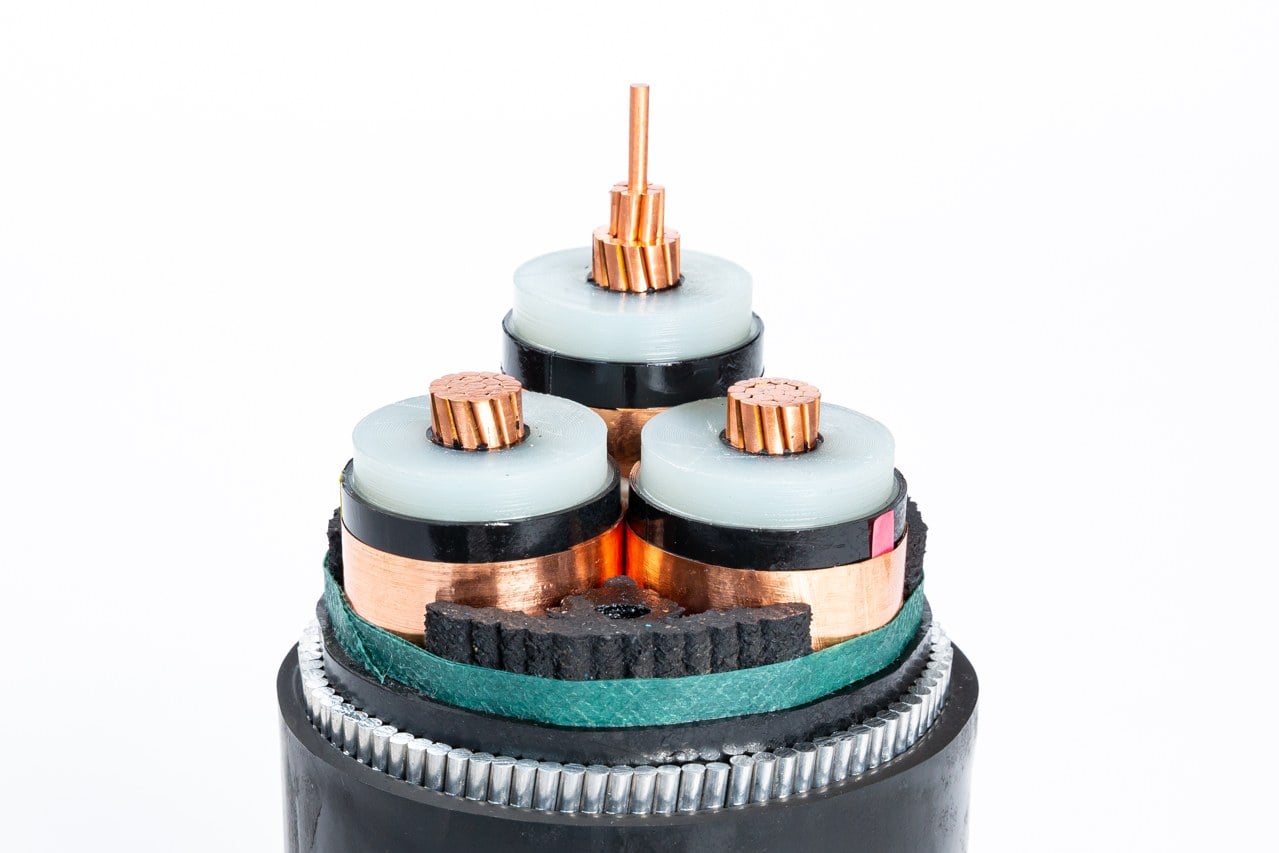
Separate production checks from design qualification
Routine tests check production cable at the frequency required by its product standard. Sample tests examine selected cable lengths or specimens under the standard’s sampling rules. Type tests establish whether a defined design and its materials meet the relevant requirements. A material or construction change may require further qualification; an old report is not automatically valid for every later design.
Eland Cables’ explanations of routine tests and type tests emphasise that the applicable cable standard determines the required programme. Use the categories in the agreed standard rather than treating the following examples as one universal release checklist.
Pre-shipment cable tests and their purposes
| Check | What it can establish | What still needs to be defined |
|---|---|---|
| Visual, marking and dimensional inspection | Whether the examined construction and identification match specified requirements | Dimensions, measurement method, sample selection and limits |
| Conductor resistance | The electrical resistance of the tested conductor | Material, reference temperature, length basis and applicable maximum |
| Voltage withstand and other insulation-system checks | Performance under the specified electrical test conditions | Product scope, test arrangement, voltage, duration and acceptance criteria |
| Material tests such as tensile, ageing or hot set | Properties of selected conductor, insulation or sheath specimens | Material, preparation, conditioning and the required test programme |
| Fire-performance tests | A defined specimen’s response to the specified fire test | Single or bunched arrangement, test category, required result and report scope |
Conductor resistance and insulation resistance measure different electrical paths. A voltage withstand test is different again: it applies a specified voltage to check the insulation system under stated conditions. Calling all three a “high-voltage current test” obscures what was actually measured.
Material tests also have limits. IEC 60811-507 describes a hot set procedure for cross-linked insulating and sheathing materials. It is not a generic heat-deformation test for every polymer. Likewise, accelerated ageing results do not, on their own, predict an exact service life for an installed cable.
Flame propagation, smoke, halogen gas and continued circuit operation during fire are separate properties. Request the evidence your project needs; one fire-test result should not be relabelled as proof of all four.
Link the results to the order
Before dispatch, agree how the cable will be identified in the inspection records. The report should make it possible to connect the tested product with the order, construction and relevant production or drum references. Check the test method and edition, measured result, acceptance requirement and any recorded deviation.
For a type-test report, compare the tested construction and its stated coverage with the offered cable. For production records, check the identification of the actual supply. A product certificate, an independent laboratory report and a manufacturer’s production-test record serve different purposes.
Settle inspection timing before production ends
If the order needs witness inspection, hold points or document approval, identify those requirements when placing the order. Specify which checks are to be witnessed, who accepts the records and whether approval is required before dispatch. Introducing these conditions after the drums are packed can leave both the inspection scope and the delivery date unresolved.
Farwalk Cable’s laboratory overview explains the different kinds of measurement used in cable inspection. Bring the required pre-shipment cable tests and documents into the power cable RFQ so the proposed cable, inspection plan and quotation can be reviewed together.
Recent Posts
October 31, 2026
Cable Storage and Handling: From Receipt to Installation
October 30, 2026
Copper vs Aluminium Cable Conductors: What Changes in an Order
Inquiry
Request a Cable Quote
Tell us the cable type, standard, voltage, conductor size, quantity and application. Our team will review your requirement.