
Copper vs Aluminium Cable Conductors: What Changes in an Order
Copper vs aluminium cable conductors should be compared as complete cable designs for the same circuit duty. Copper has higher electrical conductivity; aluminium is lighter for the same volume. Those differences affect conductor size, finished cable dimensions and connections. They do not make either material the right choice for every installation.
For a purchase, establish whether the alternatives meet the same electrical and installation requirements before comparing price per metre. Changing only the material name on an existing specification can leave the proposed cable size and its accessories unsuitable for the job.
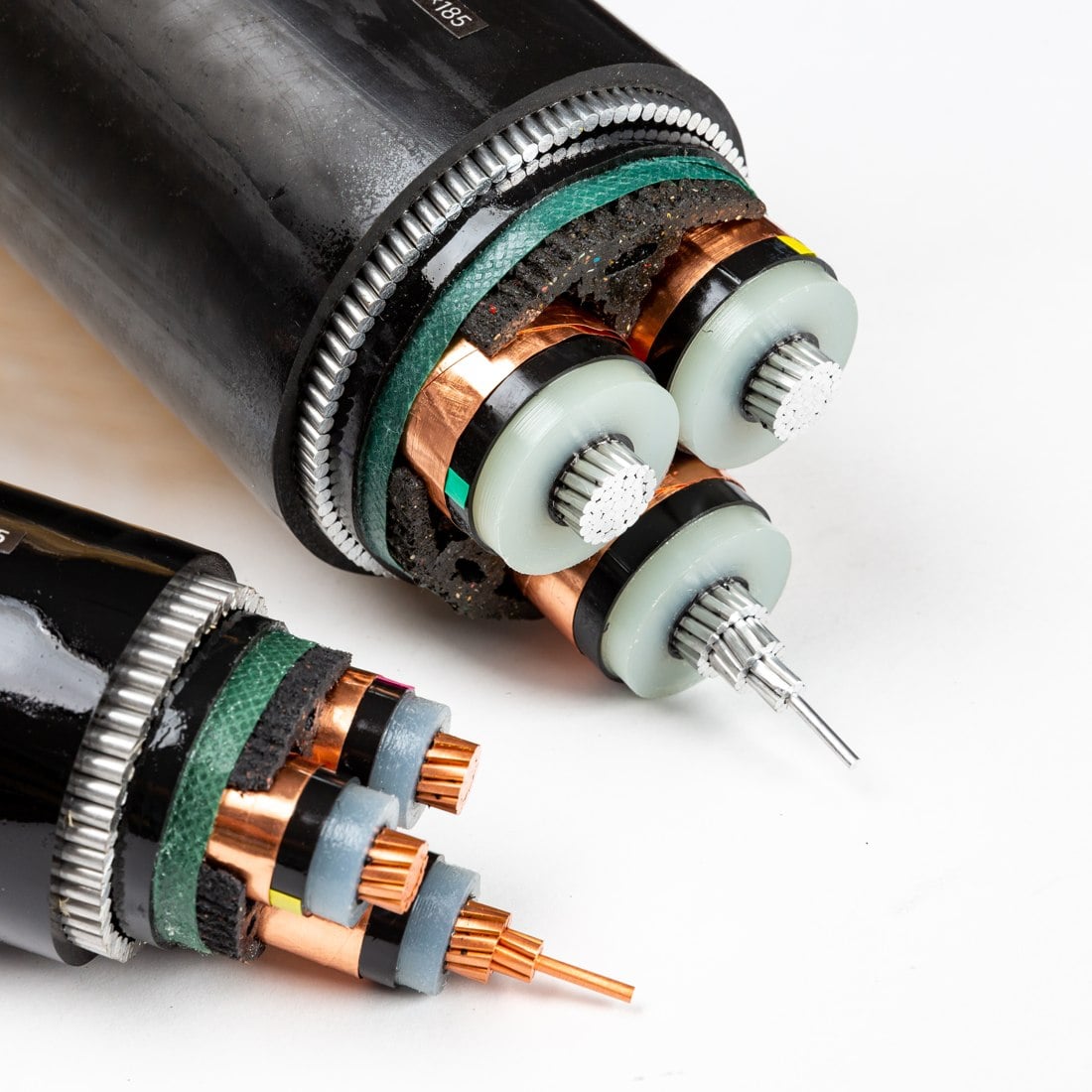
Comparing copper vs aluminium cable conductors
At the same length, cross-sectional area and temperature, a comparable electrical-grade copper conductor has lower resistance than an aluminium conductor. A larger aluminium cross-section is generally needed to achieve a similar conductor resistance. Eland Cables explains this conductivity and size relationship, together with aluminium’s lower weight for a given volume.
Resistance is one part of the comparison. Current-carrying capacity also depends on insulation, conductor temperature limits, installation method, ambient conditions and nearby circuits. Schneider Electric’s conductor sizing guide explains why the cable and its protective device have to satisfy several conditions together. A fixed percentage added to a copper cross-section is not a substitute for that assessment.
Use the applicable current-rating data or calculation for each proposed construction. Check voltage drop and short-circuit withstand as well. A cable acceptable on continuous current alone may still fail a voltage-drop requirement on a long route. The material change should be reviewed against the project’s installation rules and equipment requirements.
For insulated cables specified to IEC conductor requirements, IEC 60228 covers nominal sizes, conductor construction and resistance requirements. Its applicability comes from the relevant cable standard. A resistance requirement does not, by itself, establish an installed current rating. Also keep nominal conductor area and overall cable diameter separate when reviewing the supplier’s drawing.
Check the connections and physical fit
A material substitution reaches beyond the conductor. Obtain the proposed overall diameter, mass per metre, minimum bending radius and installation limits. Check them against ducts, trays, cable entries and the planned pulling method. A lighter conductor does not establish the weight or handling limits of the complete armoured cable.
Terminals and connectors must be suitable for the actual conductor material, size, shape and construction. Nexans lists distinct copper and aluminium cable lugs and connectors; that distinction matters when a revised cable is intended to connect to existing equipment.
Where aluminium meets copper, use a connection system intended for that transition. Klauke’s Al/Cu connection guidance describes purpose-made connectors and the need to follow their processing instructions. Surface preparation, any specified compound, crimping tools or tightening procedure should follow the selected accessory manufacturer’s instructions. Do not assume a lug that physically accepts the conductor is suitable for it.
The comparison should also identify whether the proposal uses aluminium or a particular aluminium alloy. Alloy, temper and conductor construction can affect properties; a general claim that one material is always stronger, more flexible or resistant to connection problems is not a reliable purchasing specification.
Compare the cost of the installed option
Ask for two complete offers against the same duty, with the selected conductor sizes stated explicitly. Include cable length, drum arrangement and delivery terms, then account for the accessories and installation changes each option requires. A lower cable price can be offset by revised terminations, larger entries or a route that cannot accommodate the proposed diameter.
If operating losses form part of the commercial comparison, use the actual proposed conductor resistance at the relevant temperature and the expected load profile. Do not calculate savings from the material name alone, or carry a same-size comparison into two designs that use different cross-sections.
The useful outcome of a copper vs aluminium cable conductors comparison is a pair of technically acceptable options with their differences visible. Our power cable RFQ guide covers the specification information needed to obtain a meaningful quotation. Keep any material alternative clearly identified so it can be assessed before the order is placed.
Recent Posts
October 31, 2026
Cable Storage and Handling: From Receipt to Installation
October 30, 2026
Energy Efficiency in Cable Manufacturing: What the Data Should Show
Inquiry
Request a Cable Quote
Tell us the cable type, standard, voltage, conductor size, quantity and application. Our team will review your requirement.