
Cable Storage and Handling: From Receipt to Installation
Cable storage and handling can affect a cable after it has left the factory. A test report describes the tested product or sample; it does not establish that a drum has arrived undamaged or remained dry during storage. Keep product identity, physical condition and the release for installation as separate checks.
The practical handover starts when the delivery arrives and continues until the cable is installed. For the buyer and site team, the aim is to preserve the agreed cable and retain a record of anything that could affect its use. This overview covers that handover, rather than a complete lifting, pulling or electrical commissioning procedure.
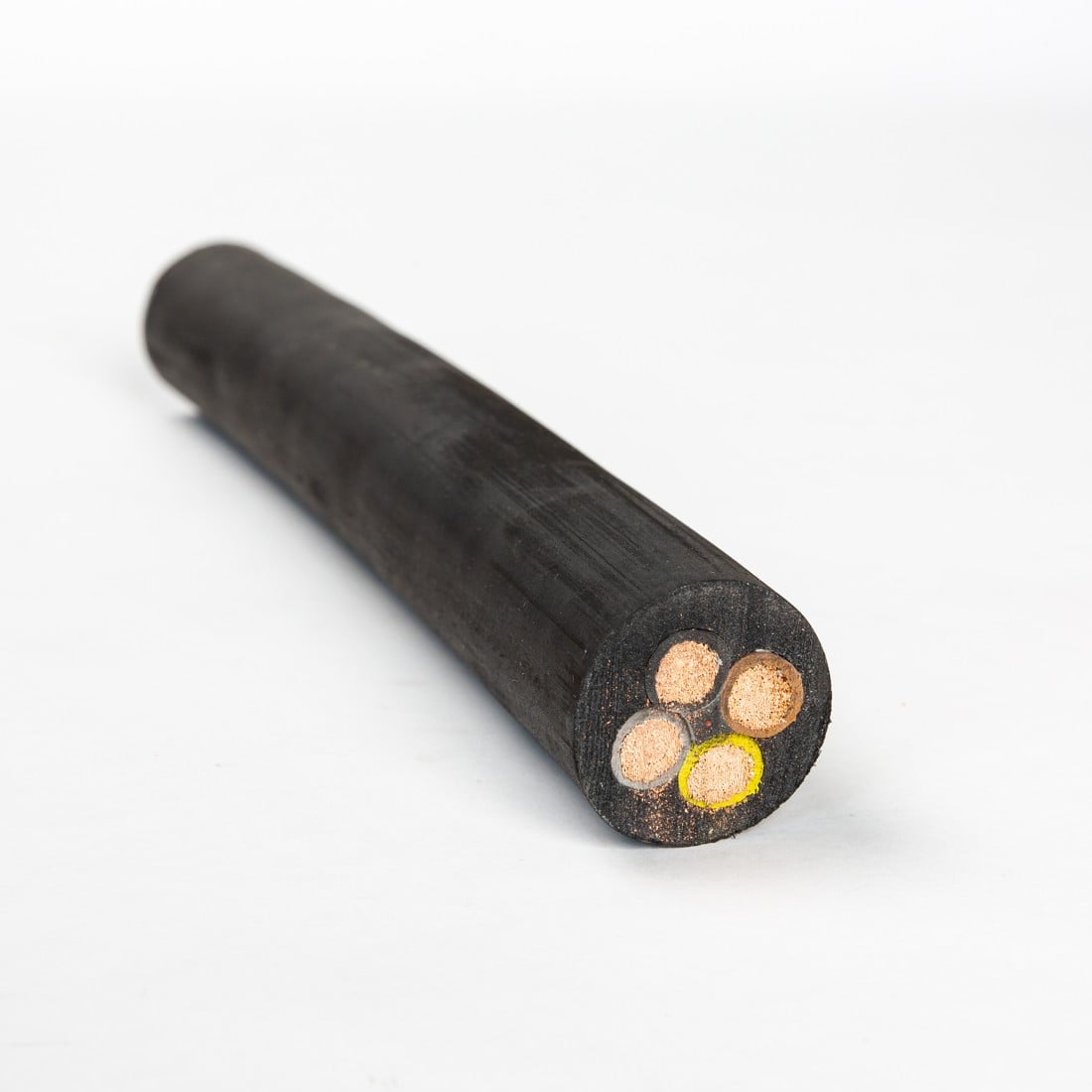
Check cable identity and condition at receipt
Match the drum label and cable markings to the order and delivery documents. Keep the drum number linked to the cable type, size and supplied length, together with the applicable inspection records. A clear photograph of a label can help resolve a later query; a photograph of a cable end cannot establish its rating or compliance.
Check the drum, accessible cable surface and end seals before the drum enters storage. Look for damaged flanges or protective battens, signs of impact, displaced cable and broken or missing seals. Nexans’ handling and installation manual includes inspections on receipt and before removal from storage. Record damage while its location and circumstances are clear.
Keep an affected drum out of the installation release until the condition has been assessed and a disposition agreed. A damaged drum does not automatically mean the cable is unusable, but accepting the delivery paperwork is not a technical decision that the cable is fit to install. Keep the evidence and the assessment with that drum’s record.
Keep cable storage and handling under control
Choose a firm, level, well-drained storage area and protect the drums from vehicle impact, falling objects and excessive heat. Store drums upright and secure them against rolling. These points are covered in Nexans Olex’s cable drum storage guidance. Confirm the storage arrangement for the actual drum design and cable rather than assuming any outdoor yard is suitable.
Cable ends need effective seals against moisture. Check the seals during storage and handling, and reseal the cable remaining on a drum after a length is cut. An intact outer sheath along the cable does not close an exposed cut end. Arrange the work so that unconnected ends are not left open to rain or standing water.
Longer storage calls for inspection of the drum as well as the cable. Timber condition, loose components and damaged protection can change with exposure. Prysmian’s storage and handling guidance also highlights weathering and UV exposure where the cable is not designed for those conditions. Set inspection and maintenance arrangements to suit the manufacturer’s instructions, storage duration and local environment; do not transfer one supplier’s interval to every drum.
Release the cable against the installation plan
Before installation, obtain the limits for the supplied cable: minimum installation temperature, bending radius during pulling and in its final position, permissible pulling tension and any sidewall-pressure limits. Check the selected pulling attachment and route against them. Nexans’ manual distinguishes the bending radius during installation from the radius after installation; treating the two as interchangeable can leave the pull inadequately planned.
Inspect the prepared route, ducts and entry points for obstructions or surfaces that could damage the sheath. The installation plan should address support and changes of direction as well as the straight run. A general product description such as “suitable for ducts” does not define an acceptable pull through a particular route.
After laying, inspect accessible surfaces, ends and terminations, and complete the agreed site acceptance tests before energisation. The test methods, levels and acceptance criteria must match the cable, system and project requirements. A visual inspection or one insulation-resistance reading is not a complete acceptance programme for every cable system.
Keep the installed length linked to its drum and route records, with any damage assessment, repair approval and site test results. Our explanation of pre-shipment cable tests covers the factory inspection stage. The site records add what happened after shipment; both are needed to understand the supplied cable’s history.
Recent Posts
October 30, 2026
Copper vs Aluminium Cable Conductors: What Changes in an Order
October 30, 2026
Energy Efficiency in Cable Manufacturing: What the Data Should Show
Inquiry
Request a Cable Quote
Tell us the cable type, standard, voltage, conductor size, quantity and application. Our team will review your requirement.