
Energy Efficiency in Cable Manufacturing: What the Data Should Show
Energy efficiency in cable manufacturing means using less energy for a comparable amount of acceptable output. A lower monthly electricity bill does not establish that improvement. Production volume, product mix, operating hours and energy prices may all have changed.
For a buyer comparing suppliers, the useful starting point is the basis of the claim: which process was measured, over what period, and against which output. Those details separate a measured improvement from a general description of modern equipment.
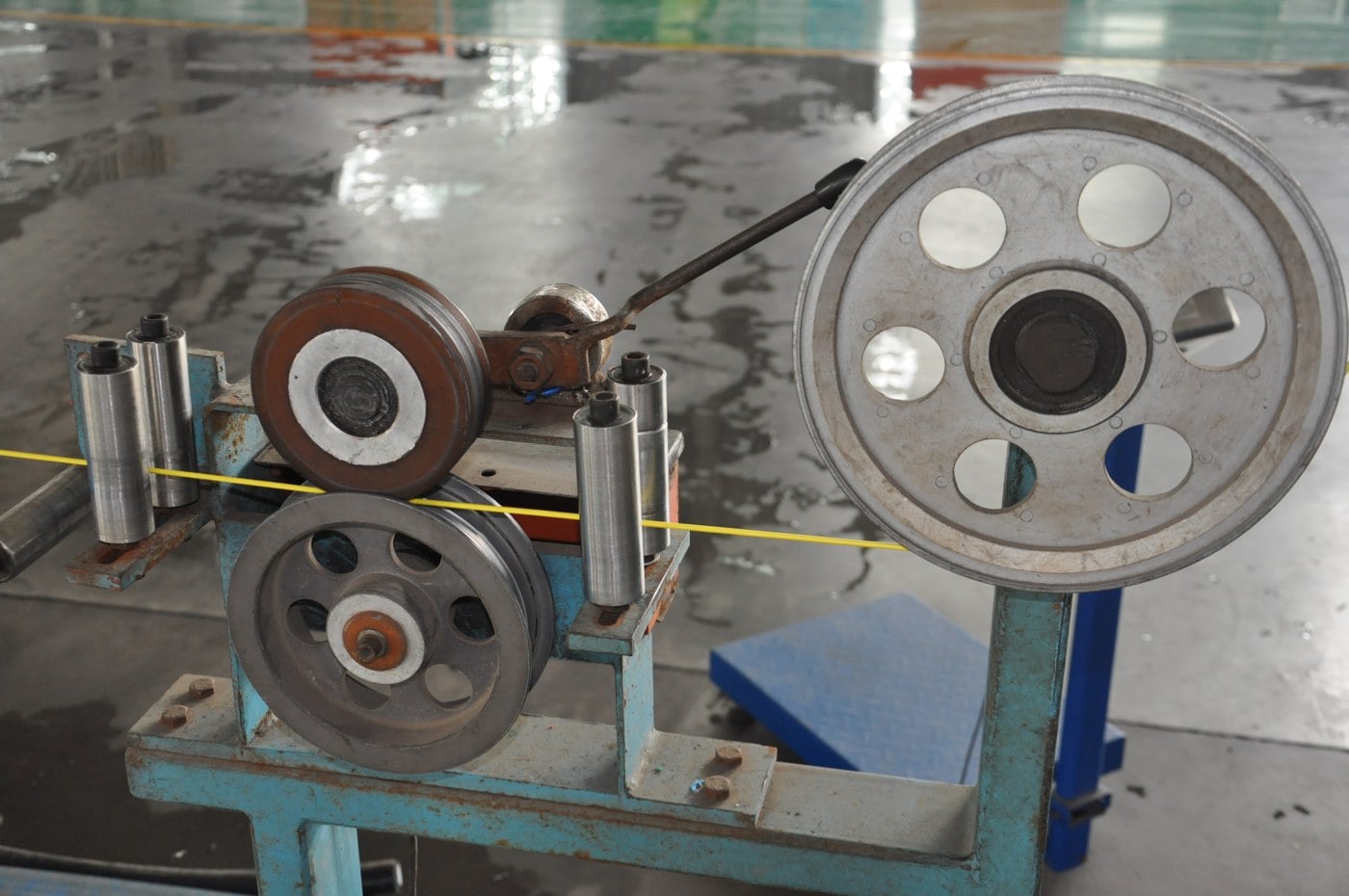
Measuring energy efficiency in cable manufacturing
Set the measurement boundary before comparing figures. A meter serving a drawing line answers a different question from the electricity bill for a whole factory. A site total may include production equipment, lighting, ventilation, offices and idle periods. If a claim concerns only one process, its supporting data should identify that process.
The Australian Government’s energy efficiency assessment guidance recommends combining energy measurements with production throughput and operating conditions. For cable manufacturing, product differences matter: a kilometre of a large multicore cable is not equivalent output to a kilometre of small building wire. Even a mass-based comparison needs a comparable product family and process scope.
An illustrative calculation shows why both energy and output are needed. Suppose a comparable process uses 10,000 kWh to produce 20 tonnes of accepted output: 500 kWh per tonne. In a second period it uses 9,000 kWh for 15 tonnes: 600 kWh per tonne. Total energy has fallen by 10%, while energy per tonne has risen by 20%. These are example figures, not Farwalk operating results, and they do not explain the cause of the change.
Production interruptions, start-up material, rejected output and rework also affect the comparison. State whether the denominator is gross production or accepted output, and account for the energy consumed within the selected boundary. Otherwise, a change in yield can disappear from the headline figure.
Connect an improvement to the process
Cable production can involve motor-driven drawing, stranding and take-up equipment, extrusion heating and cooling, and, where required, annealing or crosslinking. The energy profile depends on which operations are included. There is no single equipment purchase that establishes an efficiency gain for every cable plant.
The US Department of Energy’s process heat overview describes the transfer of thermal energy to materials during manufacturing. On a cable line, an energy review therefore needs to consider operating conditions as well as installed heater capacity. Reducing a temperature setting without checking the required process conditions is not a sound efficiency target.
Motor controls, idle running, compressed-air leaks and start-up scrap are possible areas to investigate. Their value should be assessed against measured demand and the production task. The EPA’s Lean and Energy Toolkit provides a method for identifying energy use and improvement opportunities; it does not supply a guaranteed saving for a particular cable line.
Any process change still has to deliver the agreed cable construction and performance. Review the applicable inspection and test requirements alongside the production assessment. Lower energy use is not a substitute for acceptable product output.
Keep energy sourcing and efficiency separate
Renewable electricity and energy efficiency answer different questions. Changing the electricity source can change its associated emissions profile without reducing the energy needed to make a cable. On-site generation can also reduce electricity purchased from the grid while equipment consumption remains unchanged. A purchasing or generation figure should not be presented as a measured reduction in process demand.
Likewise, energy data alone is not a complete carbon-footprint calculation. A greenhouse-gas comparison needs its own defined boundary, methods and supporting inputs. Keep a claim about factory electricity separate from a claim about the whole cable’s environmental impact.
When environmental information forms part of supplier assessment, ask for the reporting period, meter coverage, output basis, baseline and explanation of material changes in operating conditions. A factory photograph or equipment list can support a manufacturing overview; a quantified efficiency claim needs the corresponding operating data.
Recent Posts
October 31, 2026
Cable Storage and Handling: From Receipt to Installation
October 30, 2026
Copper vs Aluminium Cable Conductors: What Changes in an Order
Inquiry
Request a Cable Quote
Tell us the cable type, standard, voltage, conductor size, quantity and application. Our team will review your requirement.