Rail Transit Cable Route
Rail transit cable selection should consider fire safety, smoke emission, vibration and system reliability requirements.

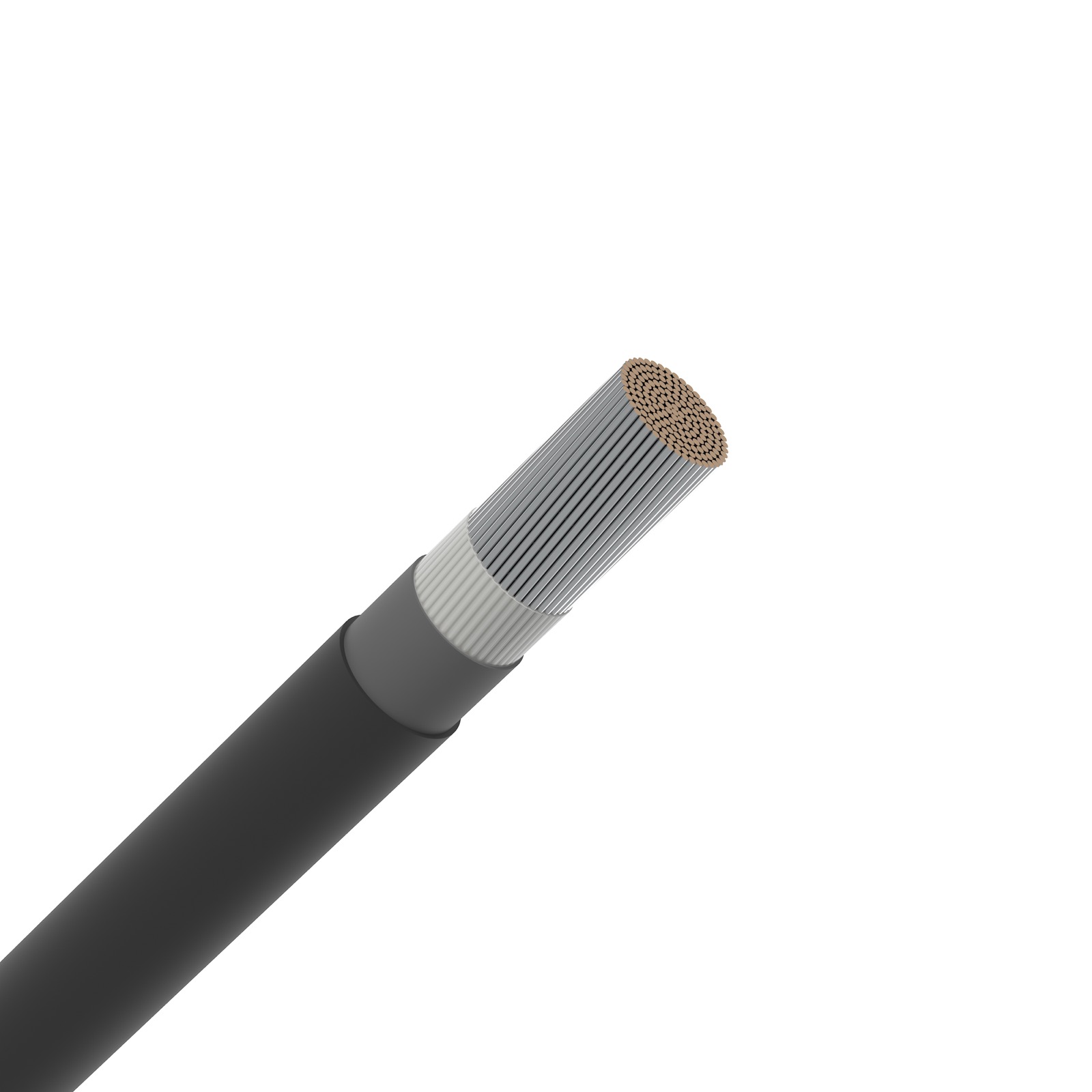
Rail Transit Cable for rail transit cable routes and project compliance review.
Rail Transit Cable is reviewed for rail transit routes where fire performance, reliability, documentation and installation environment must be checked.
Rail Transit Cable should be selected according to the actual project route, not by product name alone. Before quotation, review application environment, performance standard, construction route, installation condition and required project documents. Datasheet wording, compliance documents and final supply notes should stay aligned with the selected standard and installation conditions.
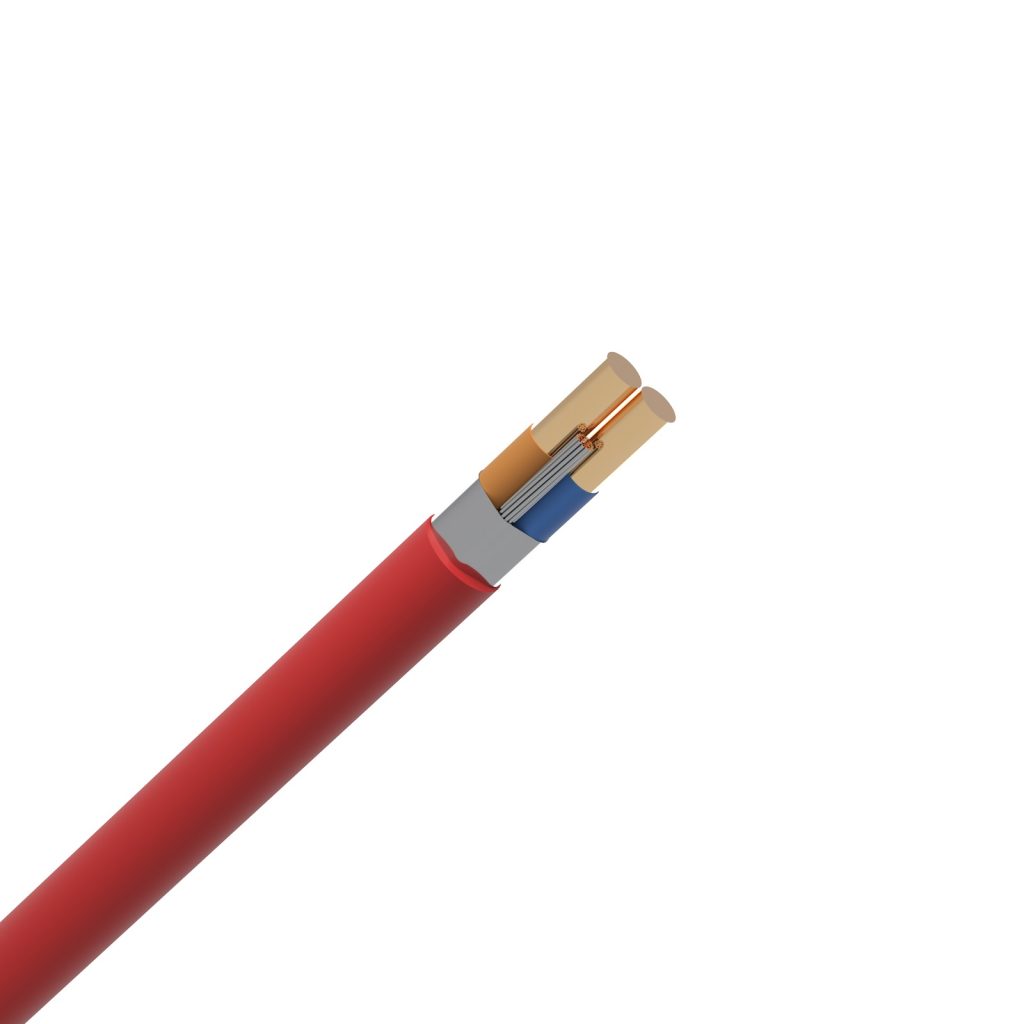
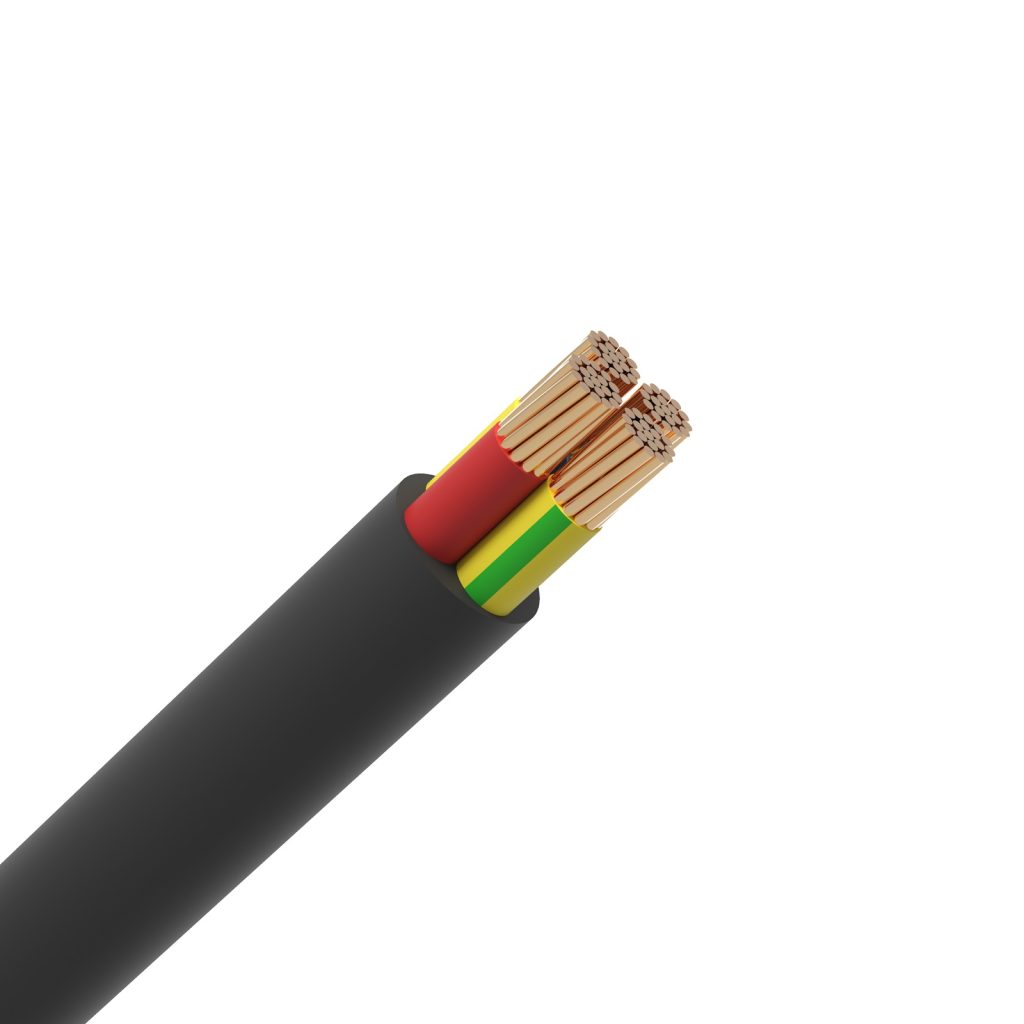
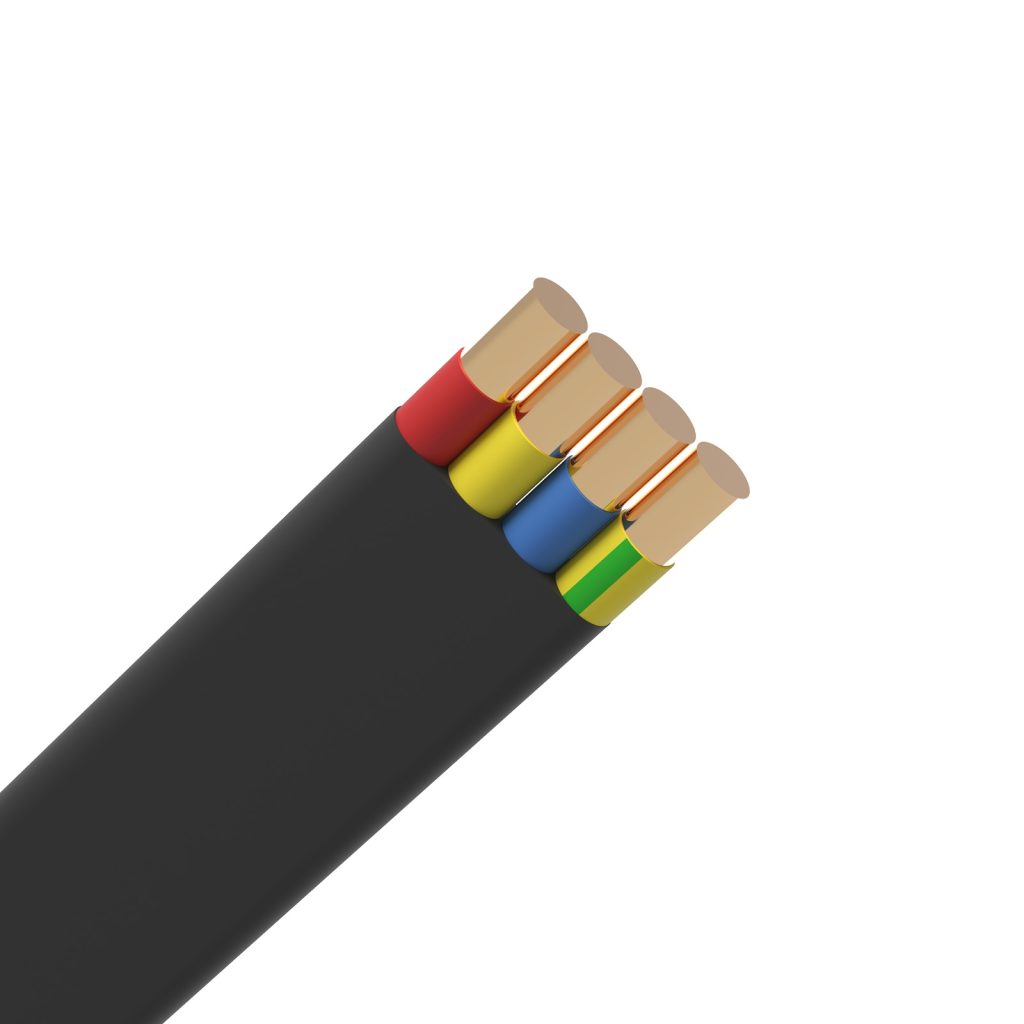
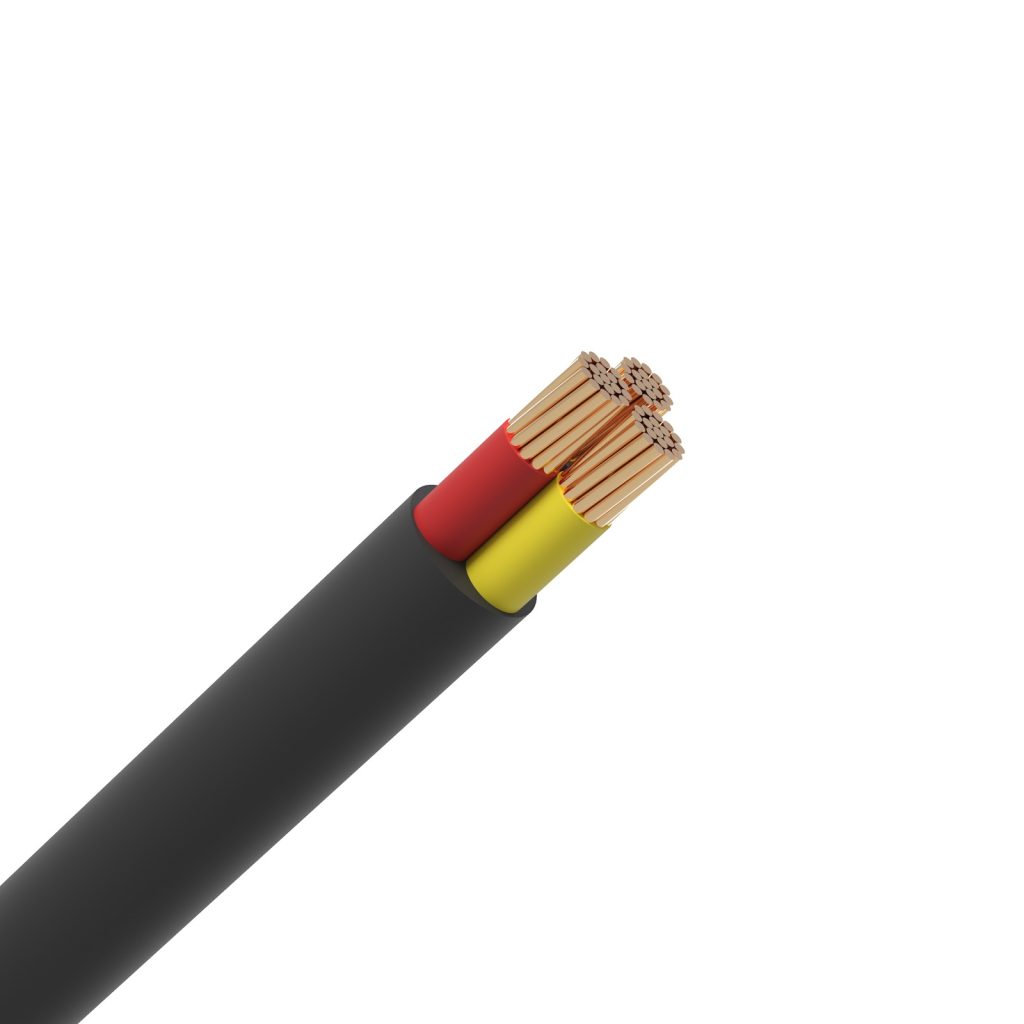
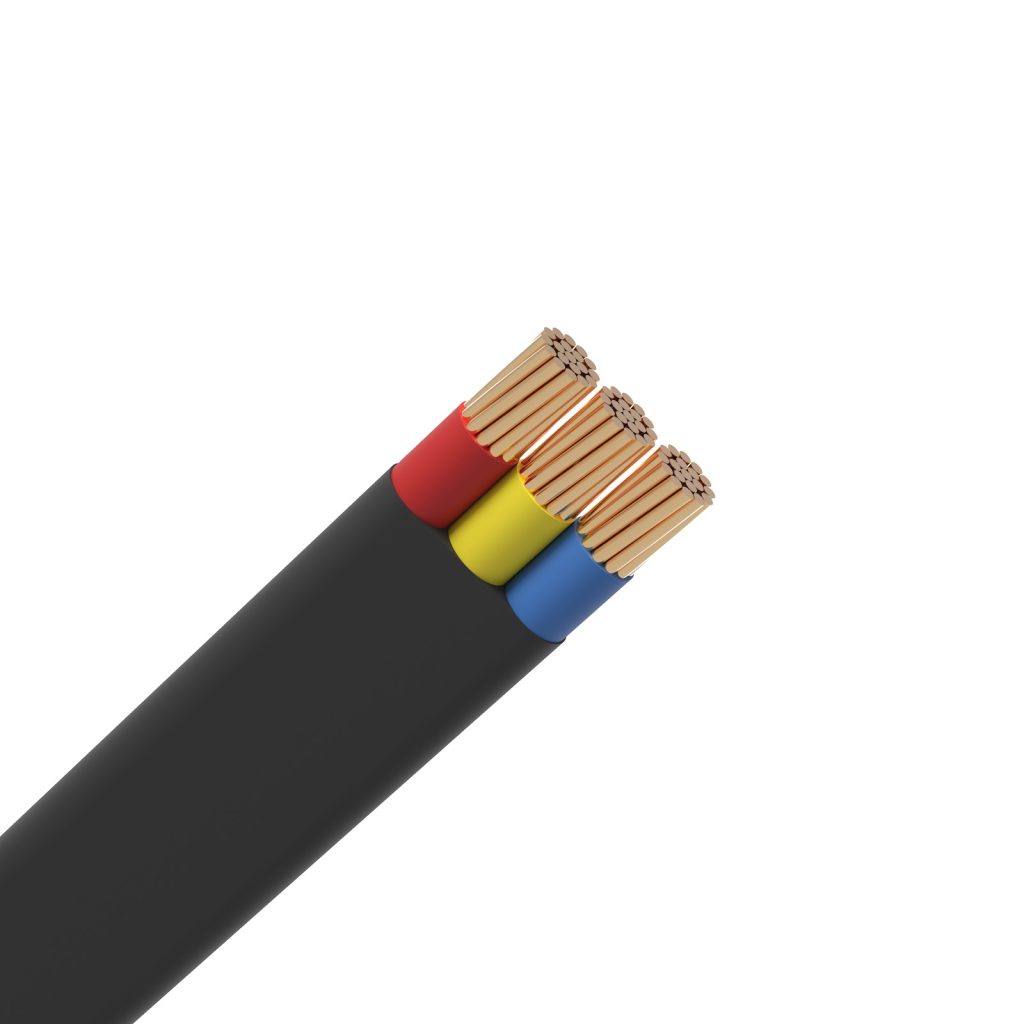
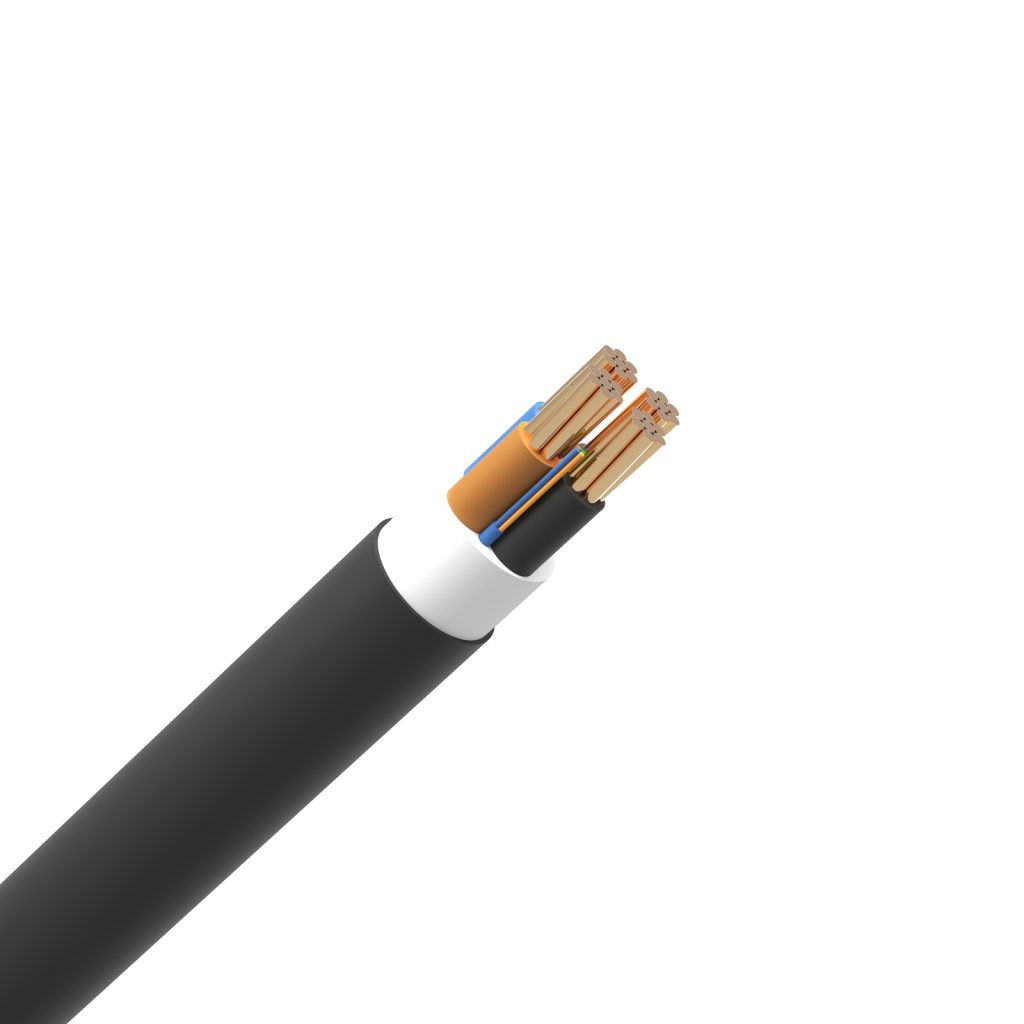
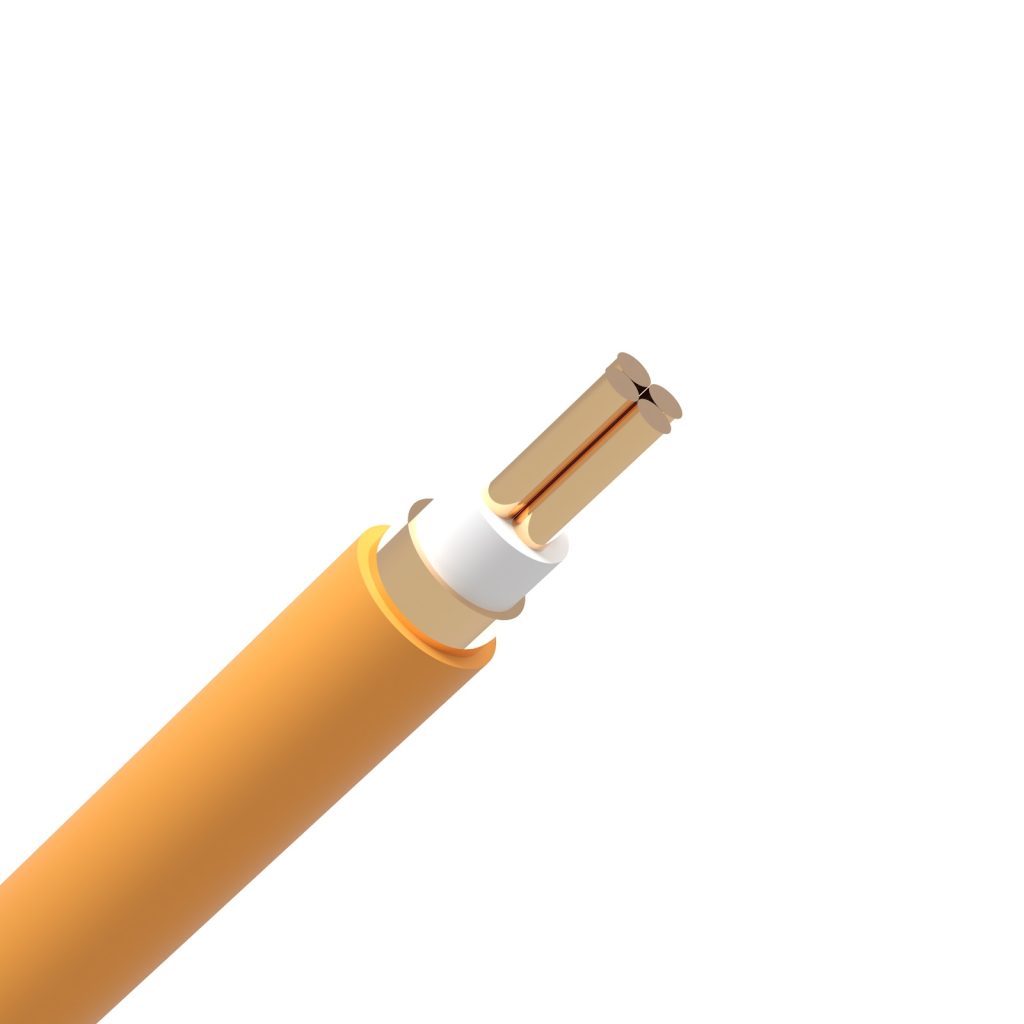
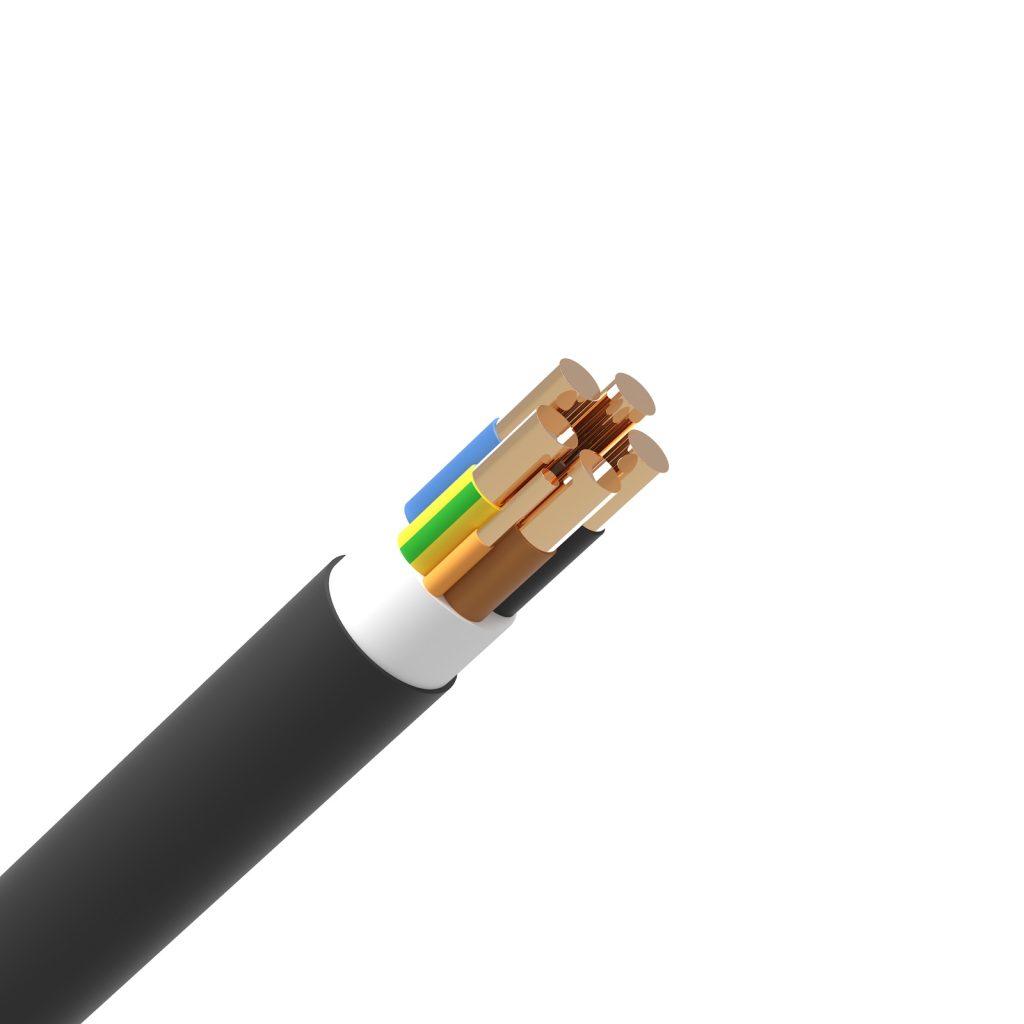
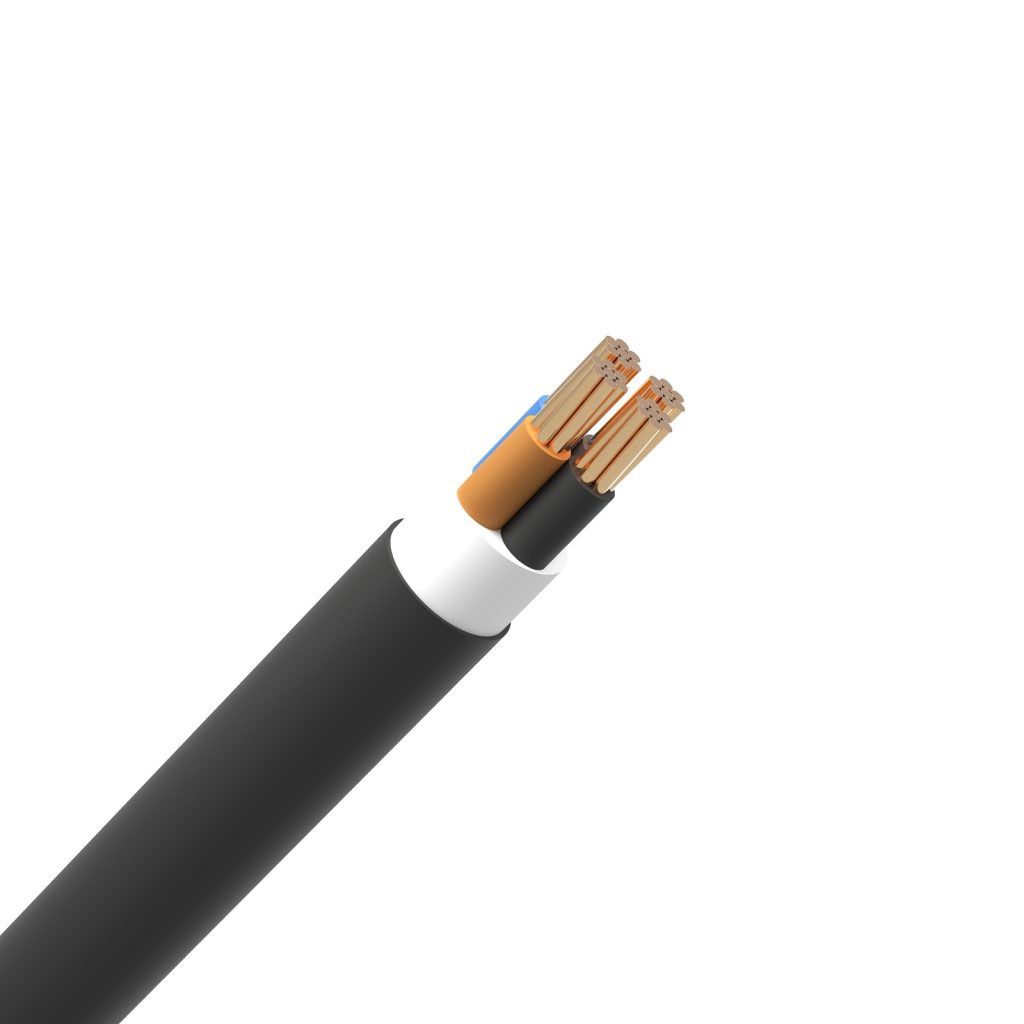
Cable construction depends on rail system duty, including conductor, insulation, sheath, shielding or fire-safety material as required. Final design should follow the rail transit project route and compliance documents.
FARWALK CABLE – Rail Transit Cable – [standard] – [voltage/rating] – [size] – [year] – [meter mark]
Rail transit cable selection should consider fire safety, smoke emission, vibration and system reliability requirements.
Power, control, signal or communication cable construction should be matched to rail project documents.
For Rail Transit Cable, materials, tests and certificates should follow the specified rail or local safety standard.
Confirm whether the project requires fire survival, flame retardance, LSZH, submersible, EV, rail or composite cable.
Match IEC 60331, IEC 60332, BS 6387, BS 7211 or other requested tests to the actual project requirement.
Review heat, water, smoke, oil, movement, vibration or public-safety conditions before choosing materials.
Confirm datasheet, test report, sample, marking and packing requirements before quotation.
| Nom. Area (mm²) | Core Type | Approx. OD (mm) | Approx. Weight (kg/km) | Current Rating @ 90°C (A) | Max. Resistance (Ω/km) |
| 1.5 | Class 5 Tinned Cu | 6.2 | 55 | 30 | 13.7 |
| 2.5 | Class 5 Tinned Cu | 6.8 | 70 | 40 | 8.21 |
| 4.0 | Class 5 Tinned Cu | 7.4 | 95 | 54 | 5.09 |
| 10 | Class 5 Tinned Cu | 9.5 | 180 | 98 | 1.95 |
| 35 | Class 5 Tinned Cu | 14.5 | 450 | 225 | 0.565 |
| 70 | Class 5 Tinned Cu | 18.8 | 820 | 355 | 0.277 |
| 120 | Class 5 Tinned Cu | 22.5 | 1350 | 500 | 0.164 |
| 240 | Class 5 Tinned Cu | 28.5 | 2550 | 750 | 0.081 |
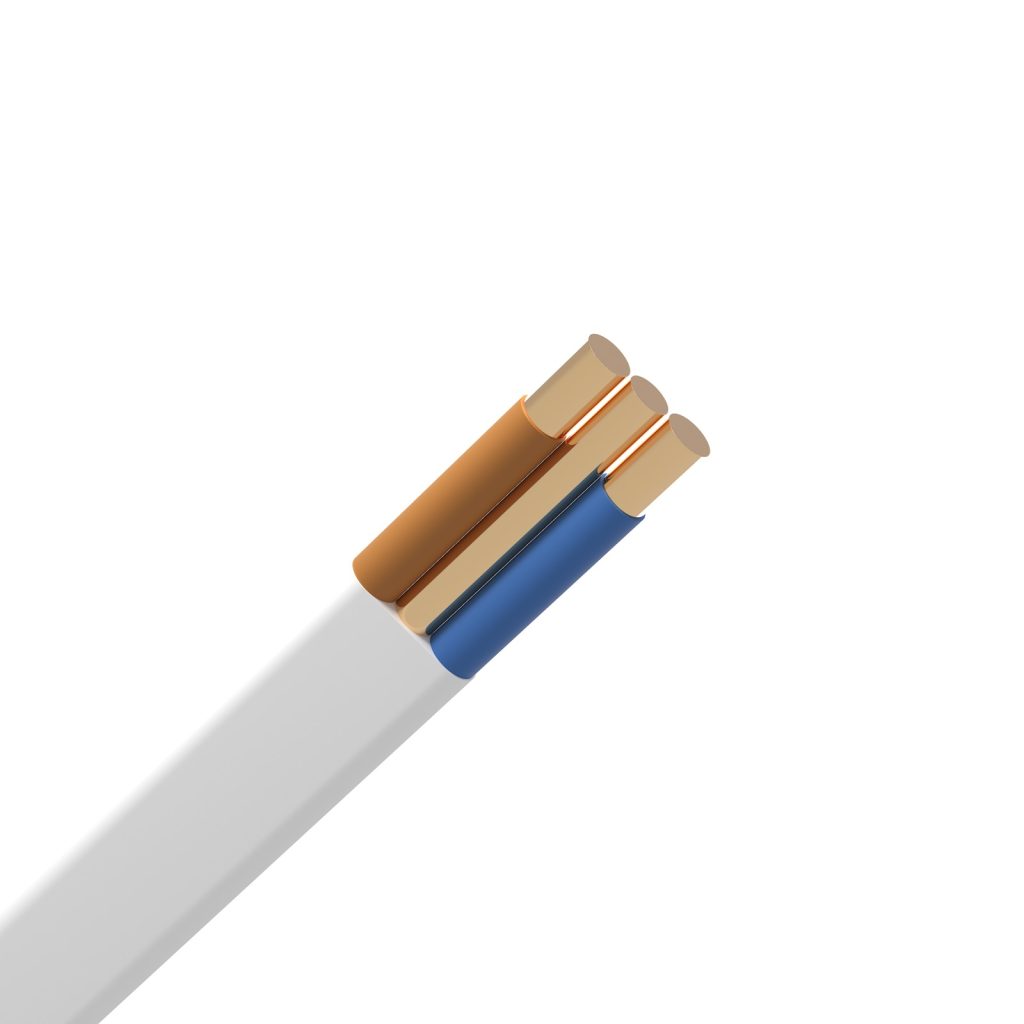
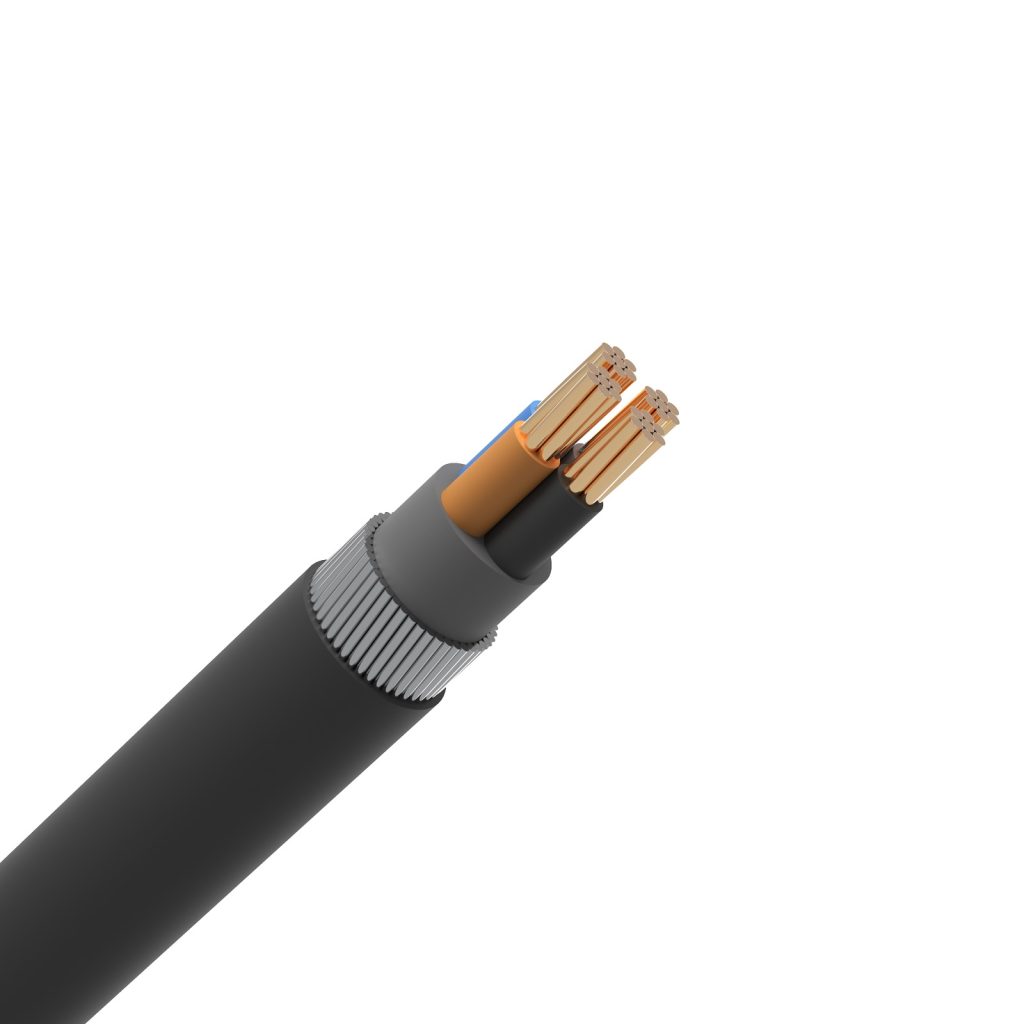
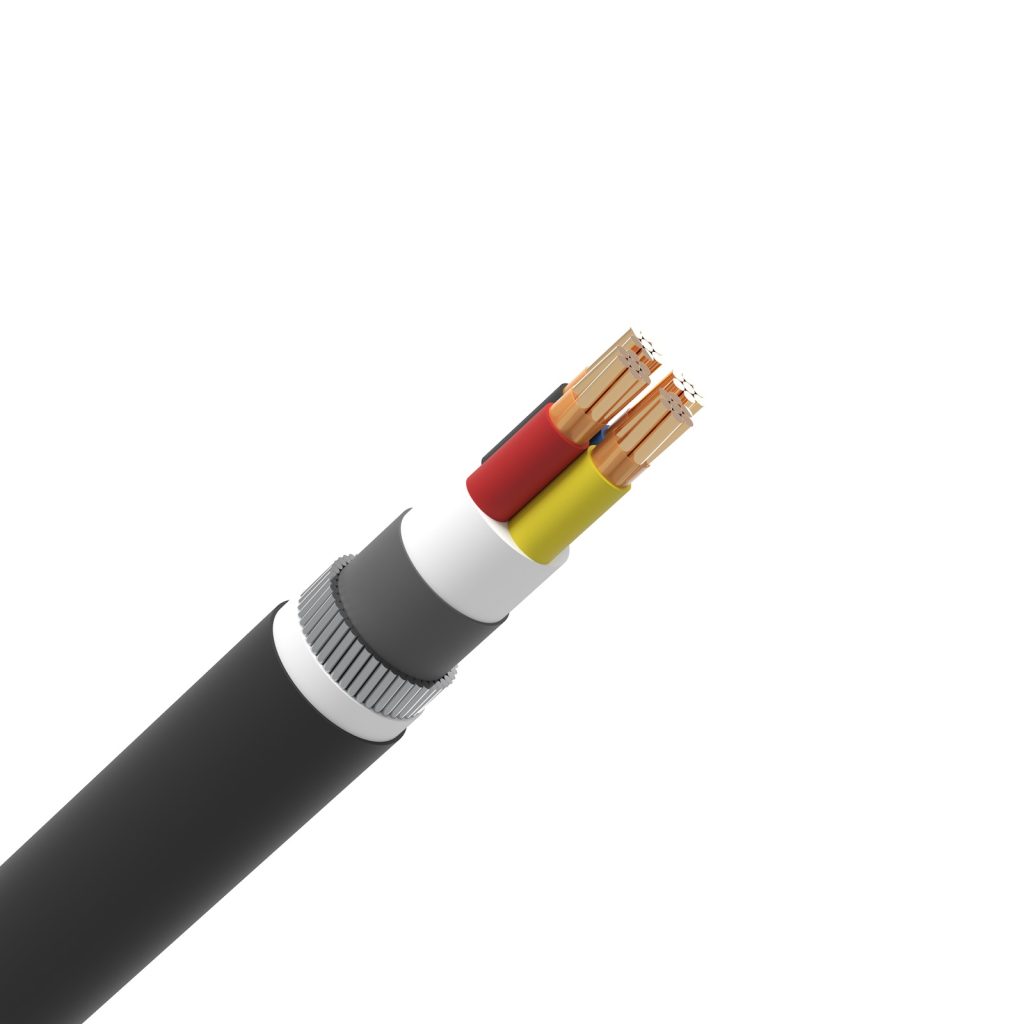
Our technical team is ready to discuss customized cable solutions, compliance documentation, and optimized supply chain strategies for your international projects.
REQUEST A QUOTE