Covered Overhead Protection
Covered or aerial insulated construction reduces contact risk compared with bare overhead conductor routes.

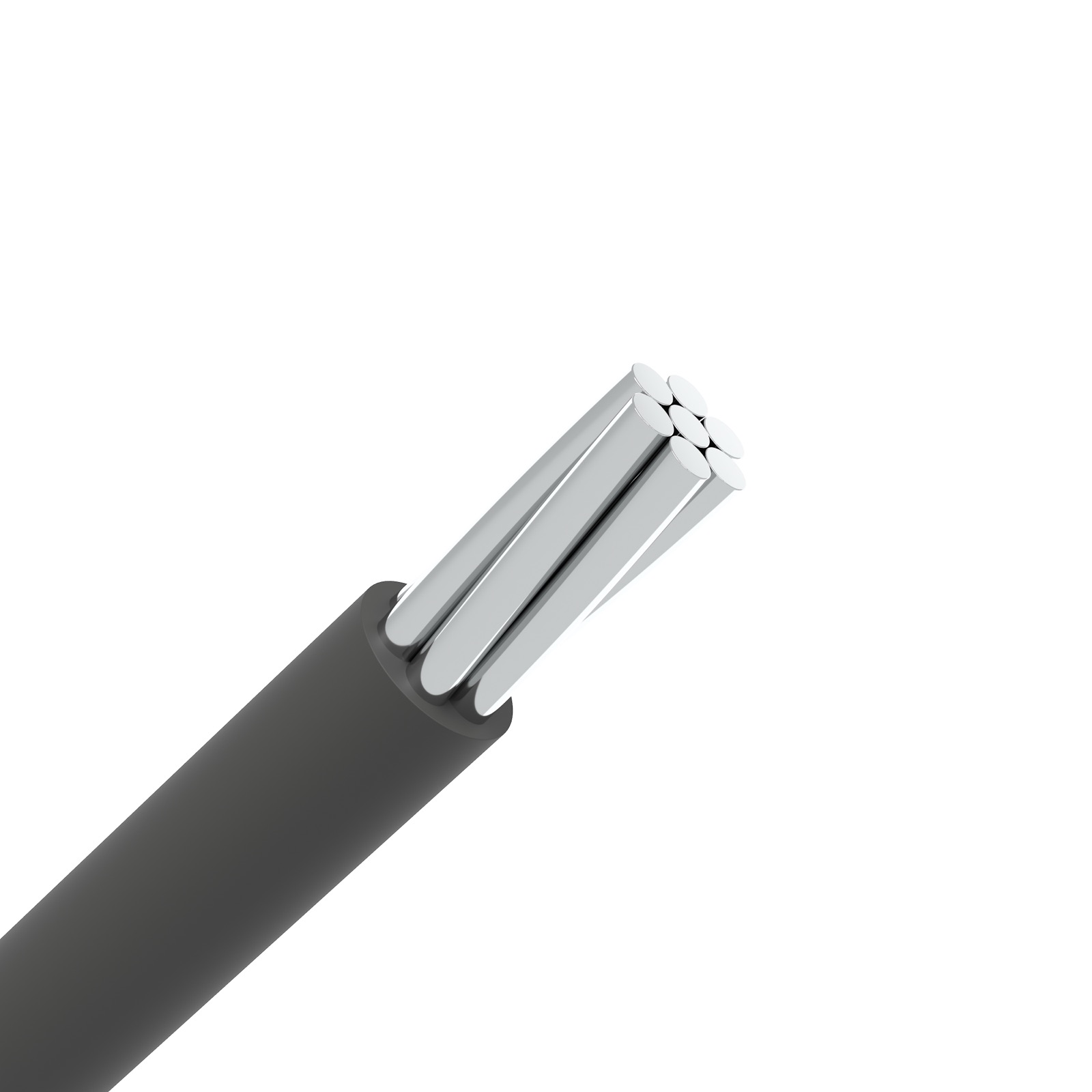
Covered Line Wire for protected overhead distribution and tree-contact risk reduction.
Covered Line Wire is used on overhead routes where an insulated or covered conductor surface is required to reduce contact risk and improve distribution line reliability.
Covered Line Wire should be selected according to the actual project route, not by product name alone. Before quotation, review voltage grade, core arrangement, messenger or neutral design, insulation system and utility standard. Datasheet wording, compliance documents and final supply notes should stay aligned with the selected standard and installation conditions.
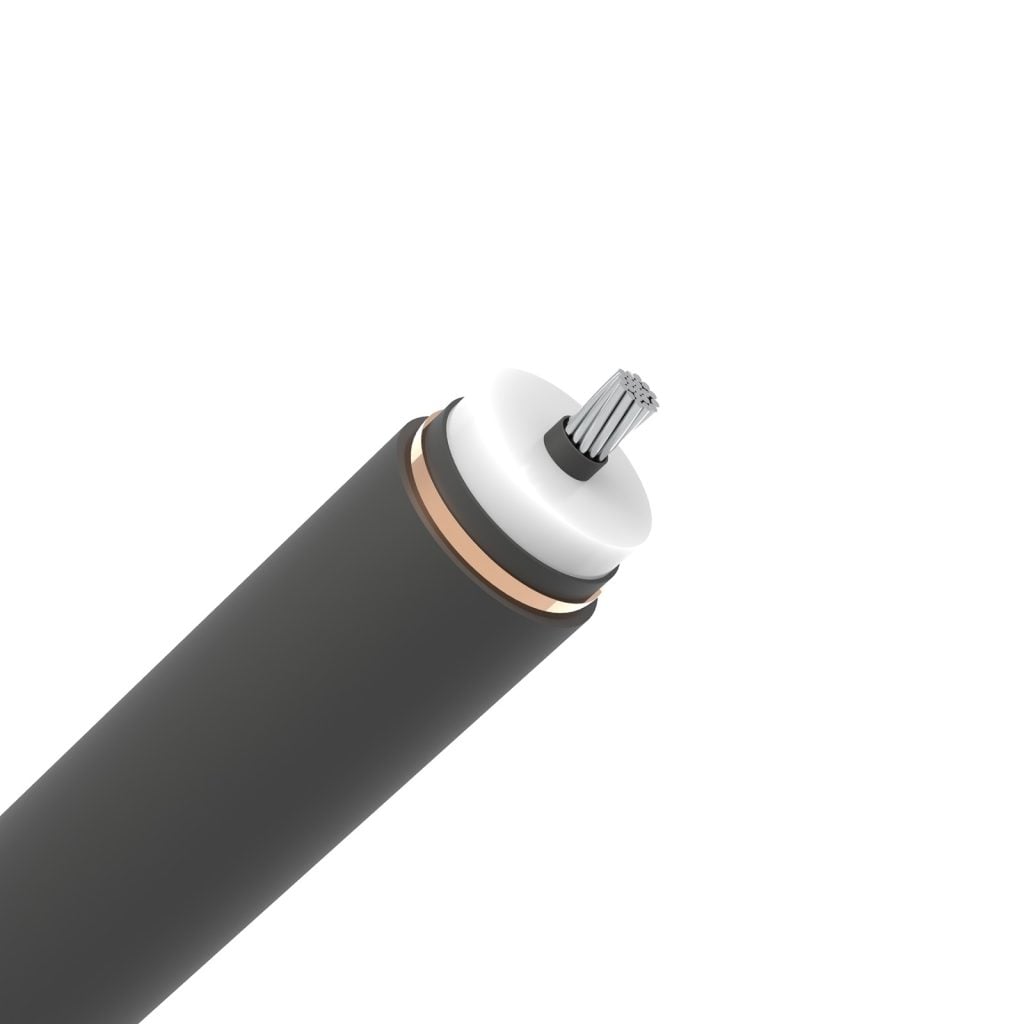
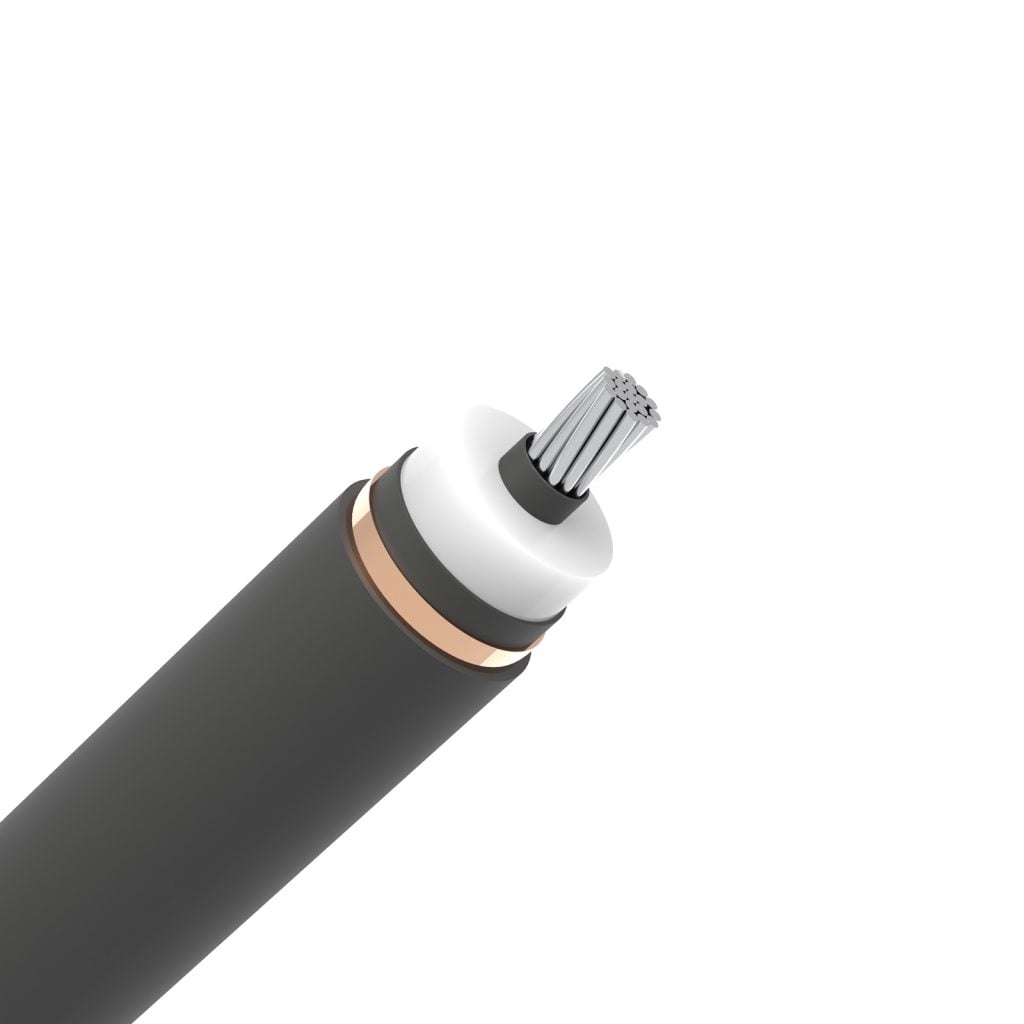
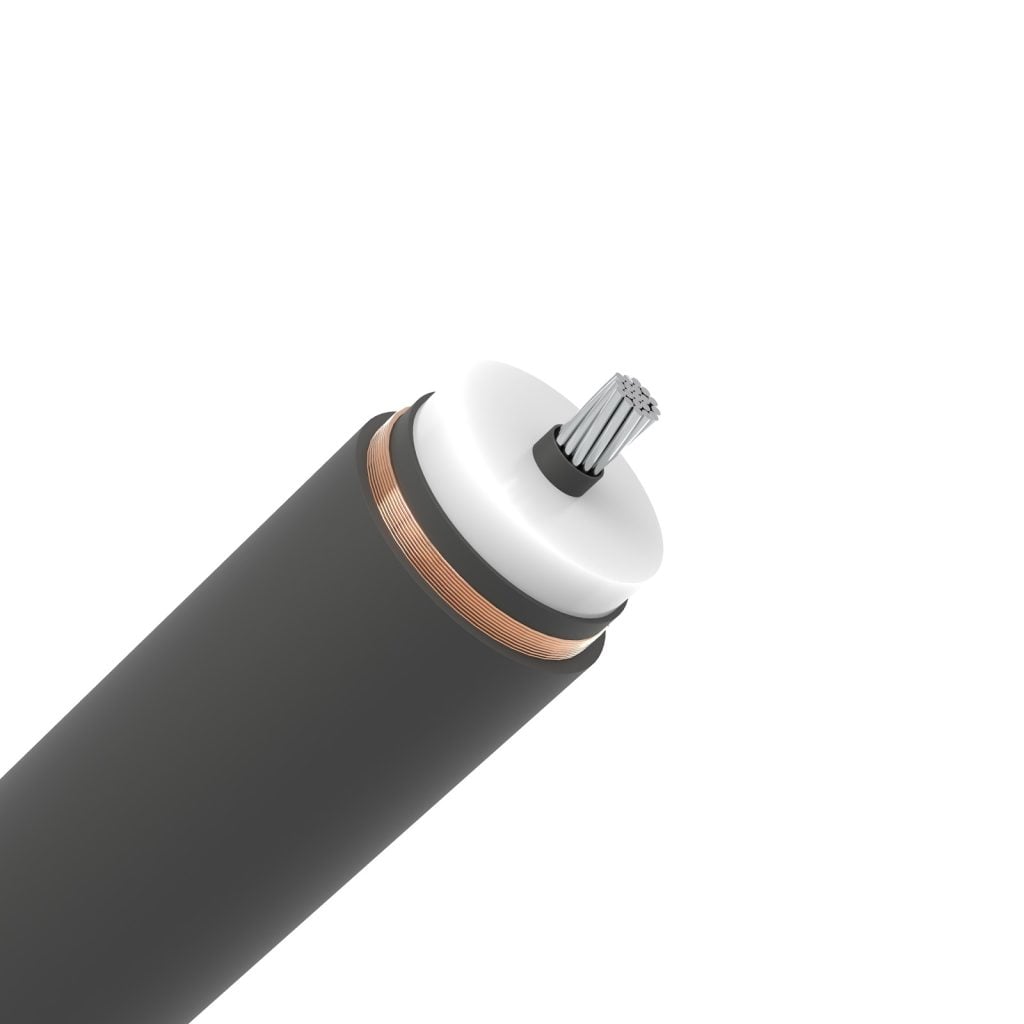
Aluminum or alloy conductor with weather-resistant insulation or covering. Thickness, voltage class, conductor size and covering material should be reviewed according to the selected overhead distribution standard.
FARWALK CABLE – Covered Line Wire – [standard] – [voltage] – [size] – [year] – [meter mark]
Covered or aerial insulated construction reduces contact risk compared with bare overhead conductor routes.
Suitable for distribution routes where vegetation, space limitation or contact protection must be considered.
For Covered Line Wire, conductor material, insulation thickness and covering type should match voltage class and local utility practice.
Separate LV ABC, MV ABC, service drop, covered conductor and tree wire before selecting construction.
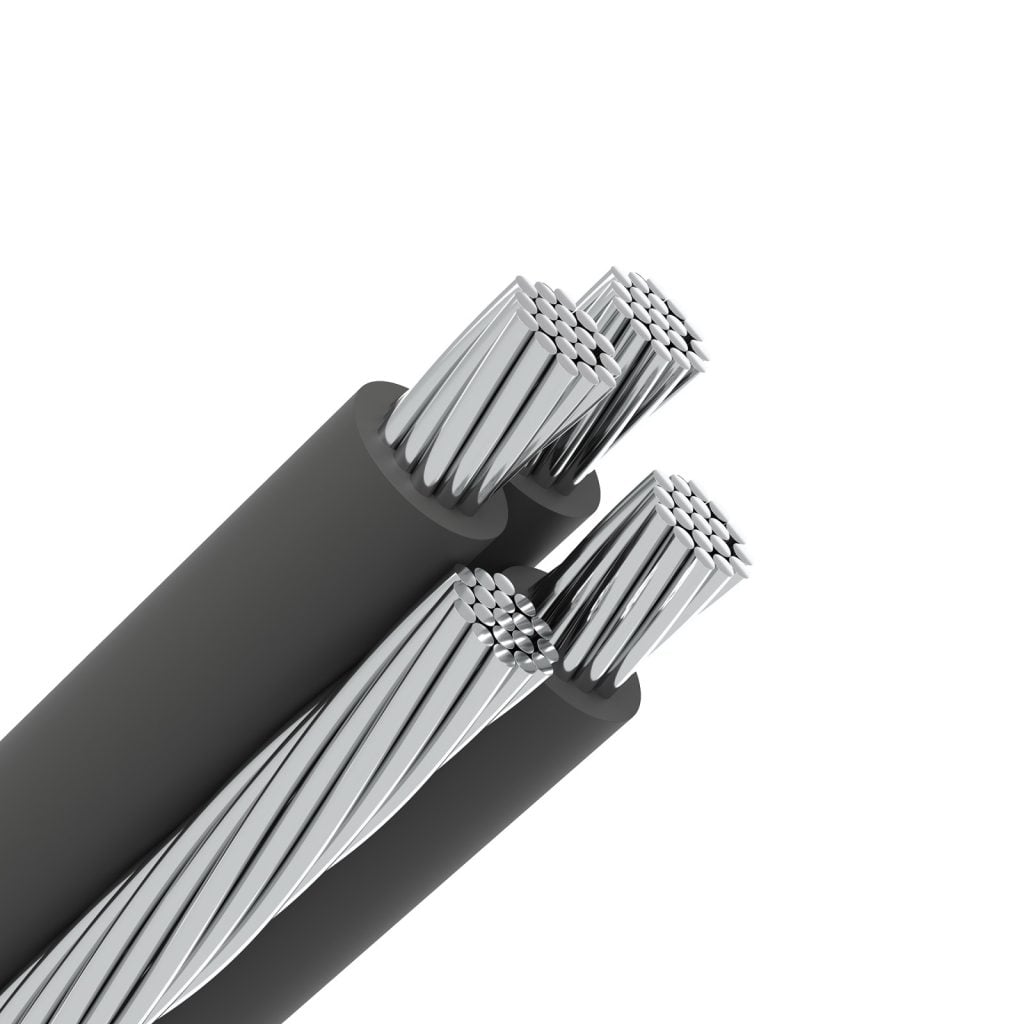
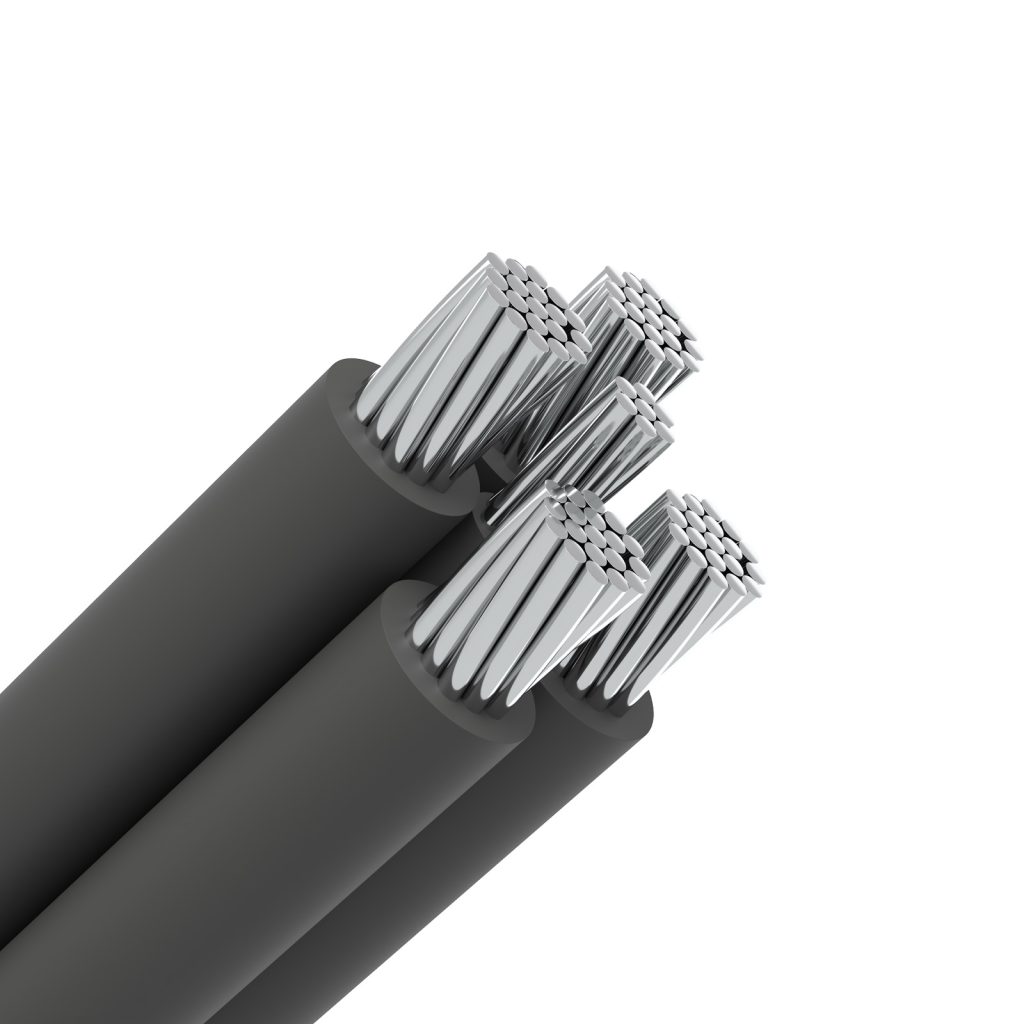
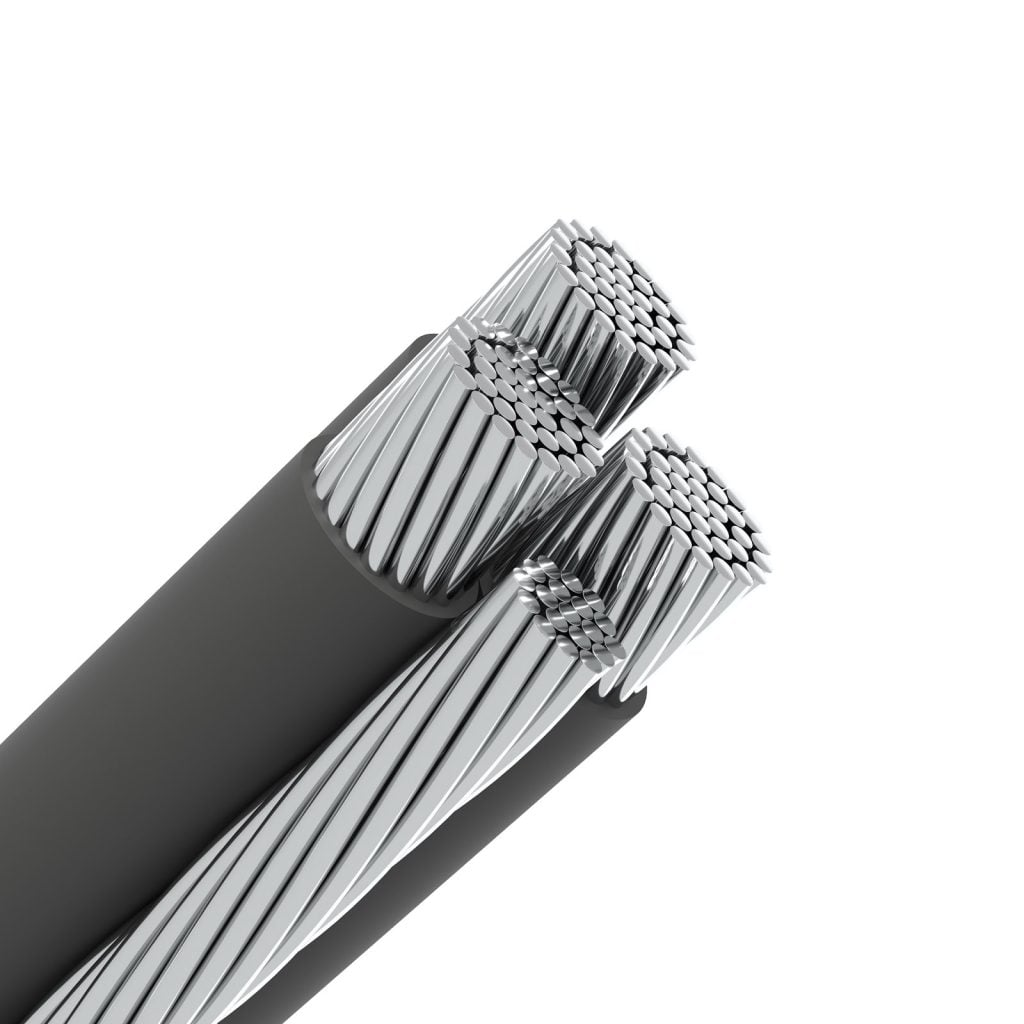
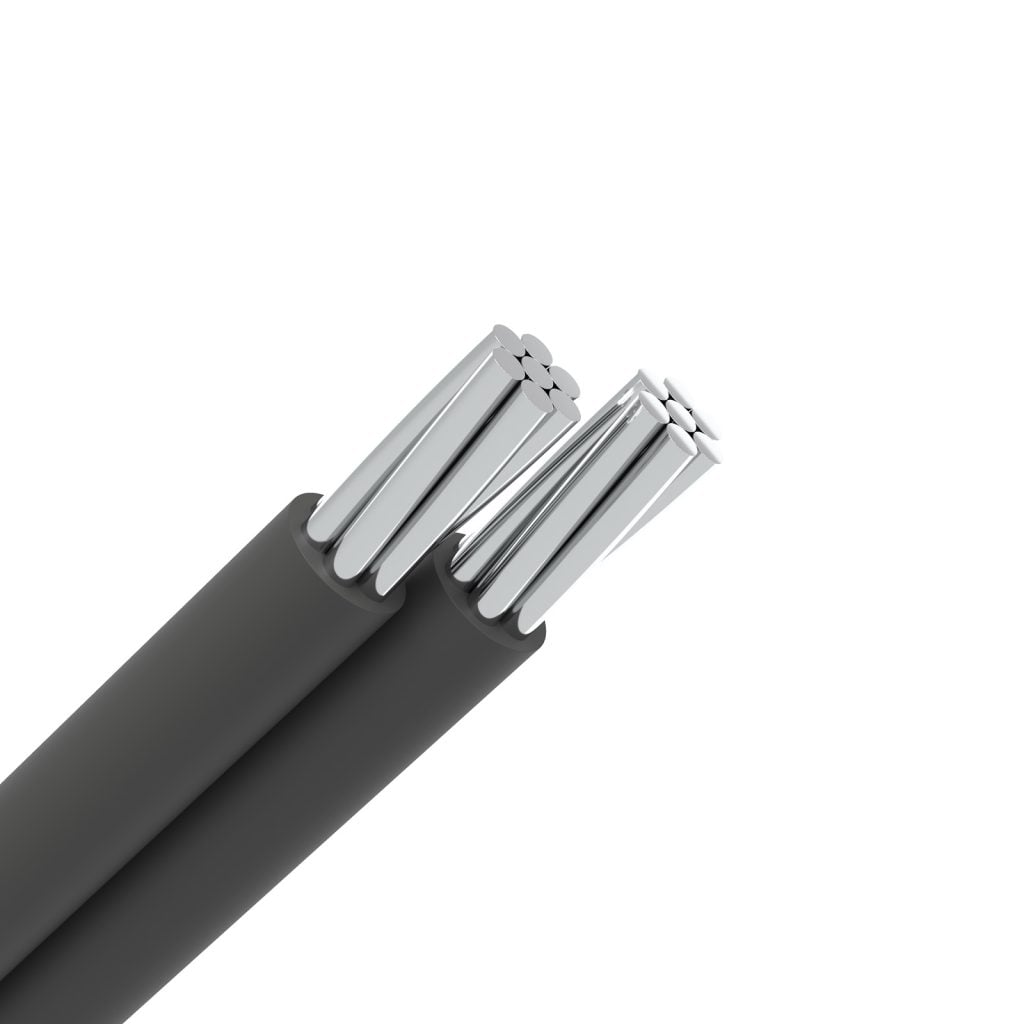
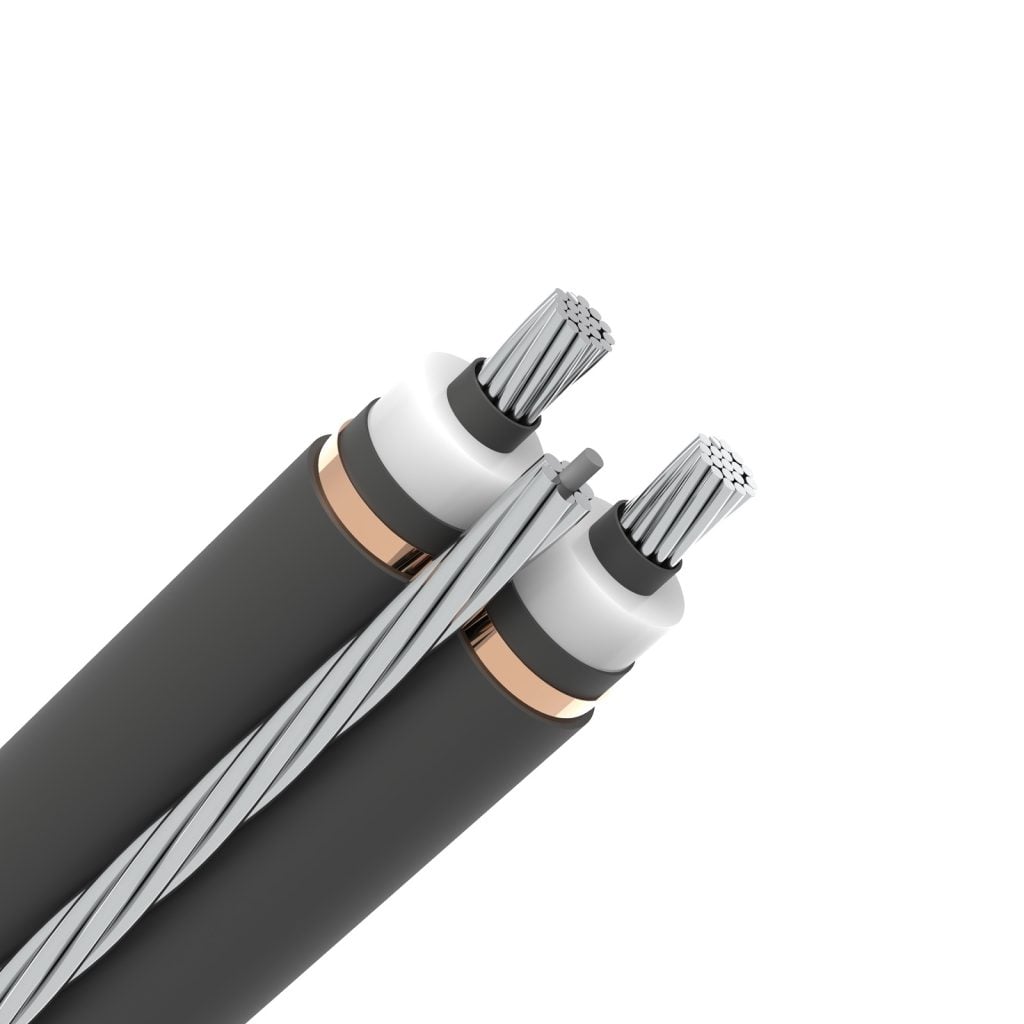
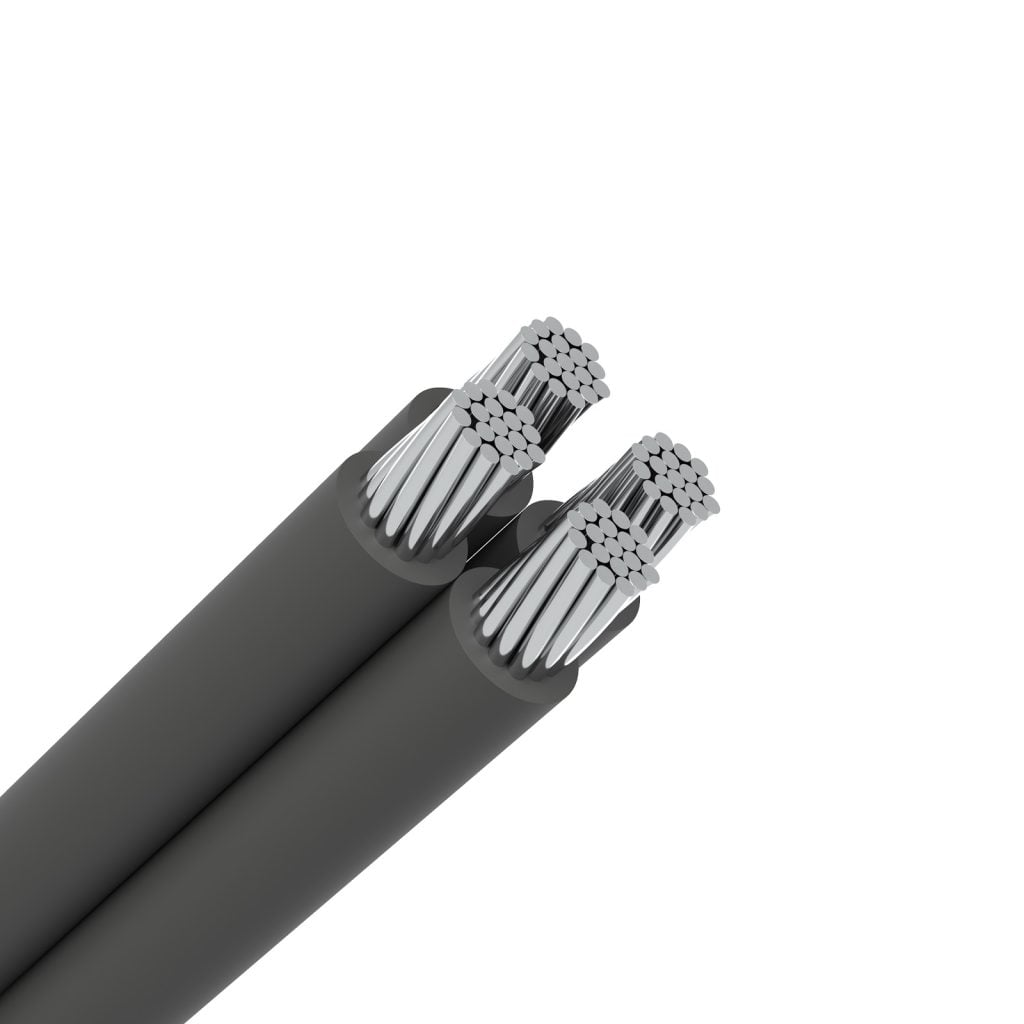
Confirm duplex, triplex, quadruplex, single-core or bundled configuration according to the service route.
Review messenger material, neutral conductor, full neutral or self-supporting design with the utility requirement.
Check UV exposure, temperature, fittings, span length and local utility standard before final selection.
| Code Word | Conductor Size | Stranding | Cover (mil) |
Approx. OD (in.) |
Weight (lb/kft) |
Rated Strength (lb) |
Ampacity (A) |
| Walnut | 6 AWG | 6/1 | 30 | 0.258 | 47 | 1130 | 95 |
| Butternut | 4 AWG | 6/1 | 30 | 0.310 | 72 | 1770 | 120 |
| Hickory | 4 AWG | 7/1 | 30 | 0.317 | 83 | 2240 | 105 |
| Pignut | 2 AWG | 6/1 | 45 | 0.406 | 118 | 2710 | 140 |
| Beech | 2 AWG | 7/1 | 45 | 0.415 | 136 | 3460 | 120 |
| Chestnut | 1 AWG | 6/1 | 45 | 0.444 | 145 | 3370 | 180 |
| Almond | 1/0 AWG | 6/1 | 60 | 0.518 | 190 | 4160 | 320 |
| Pecan | 2/0 AWG | 6/1 | 60 | 0.567 | 233 | 5040 | 970 |
| Filbert | 3/0 AWG | 6/1 | 60 | 0.622 | 288 | 6290 | 145 |
| Buckeye | 4/0 AWG | 6/1 | 60 | 0.683 | 357 | 7930 | 610 |
| Hackberry | 266.8 kcmil | 18/1 | 60 | 0.729 | 354 | 6540 | 438 |
Our technical team is ready to discuss customized cable solutions, compliance documentation, and optimized supply chain strategies for your international projects.
REQUEST A QUOTE