Steel-Reinforced Structure
Aluminum conductor layers over a steel core provide higher tensile strength for overhead transmission and distribution lines.

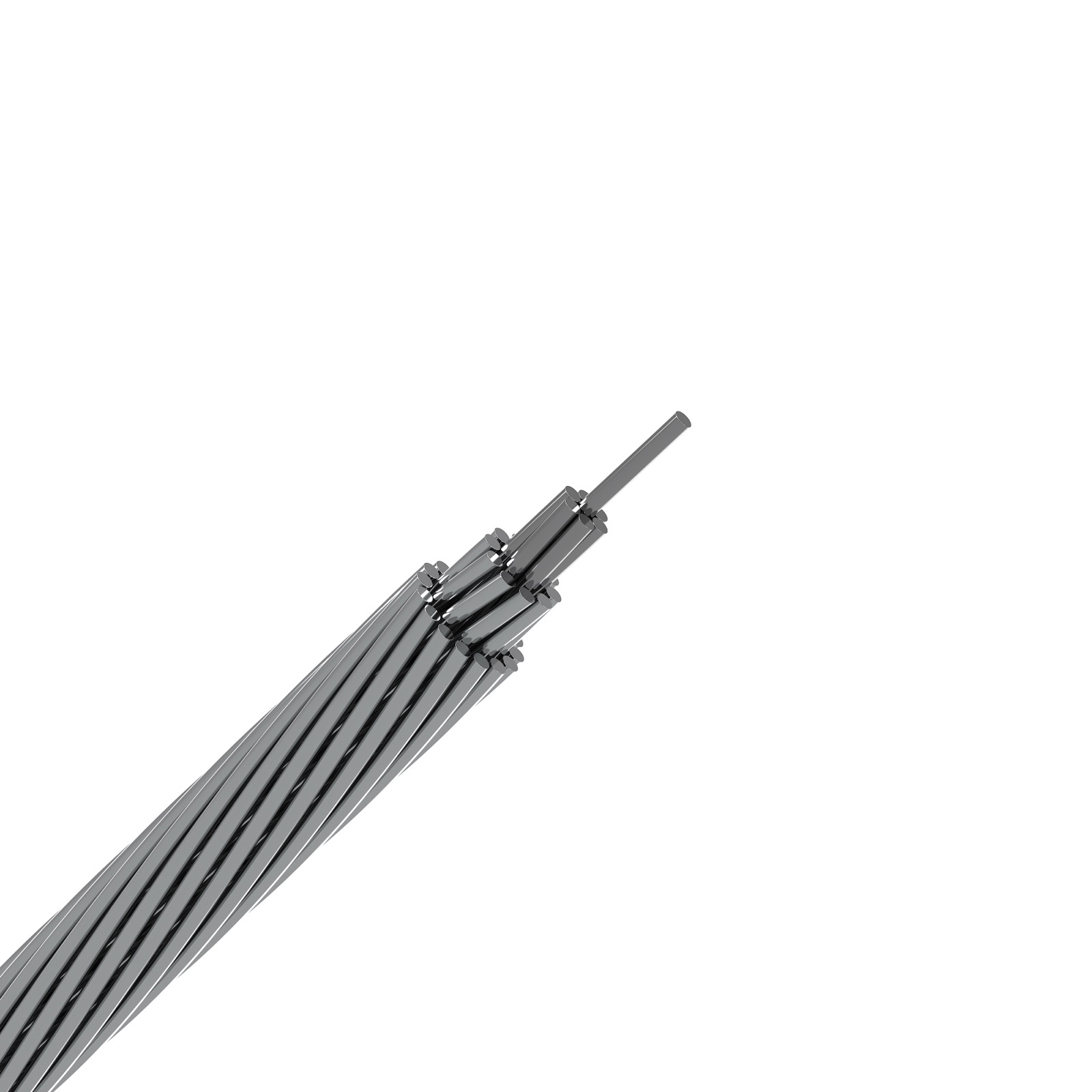
Steel-reinforced aluminum overhead conductor for longer spans and higher mechanical loading.
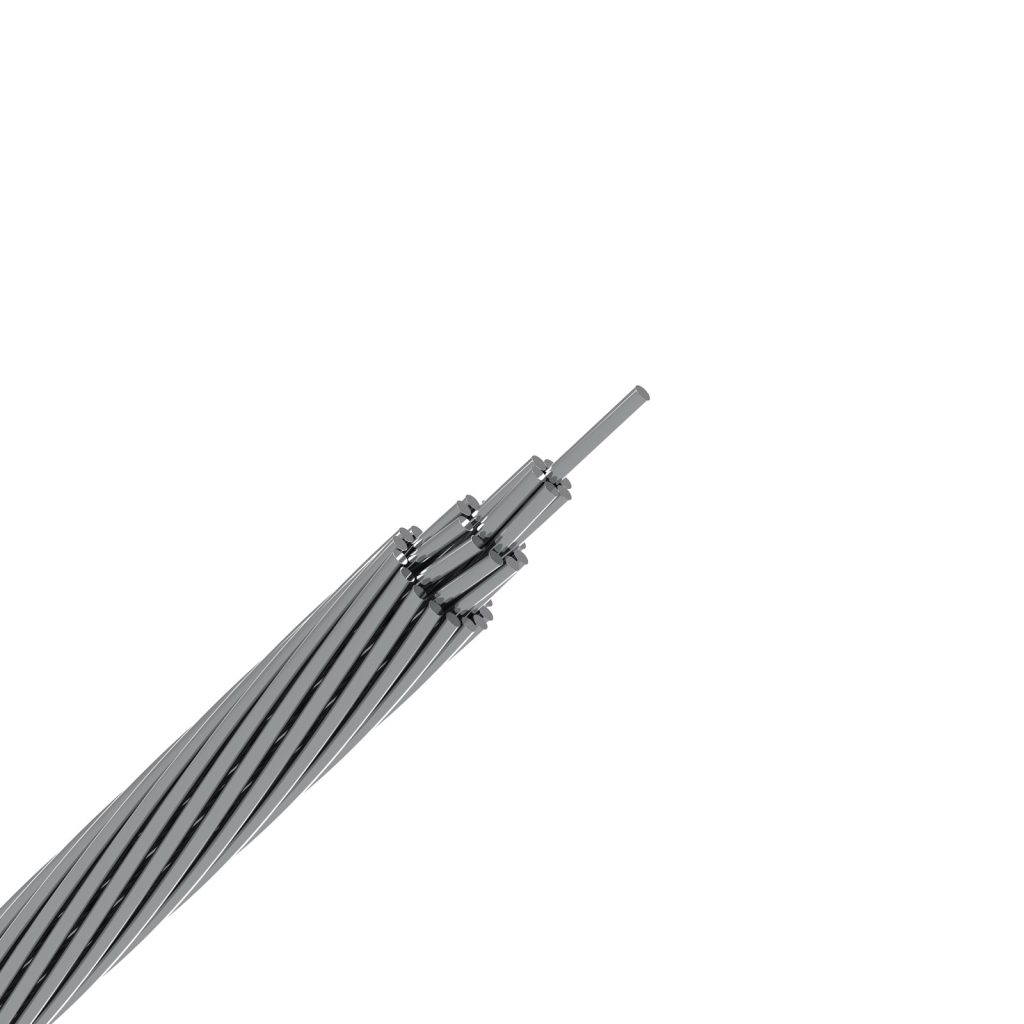
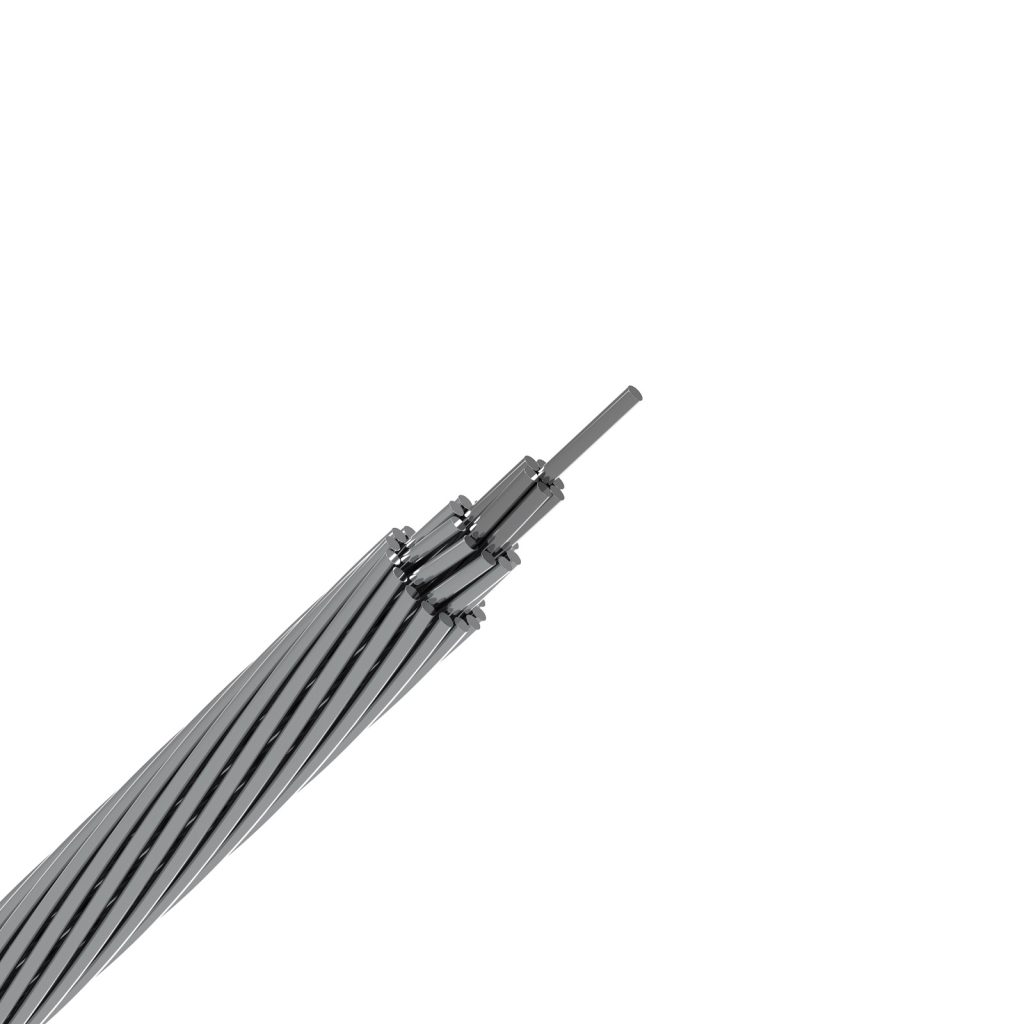
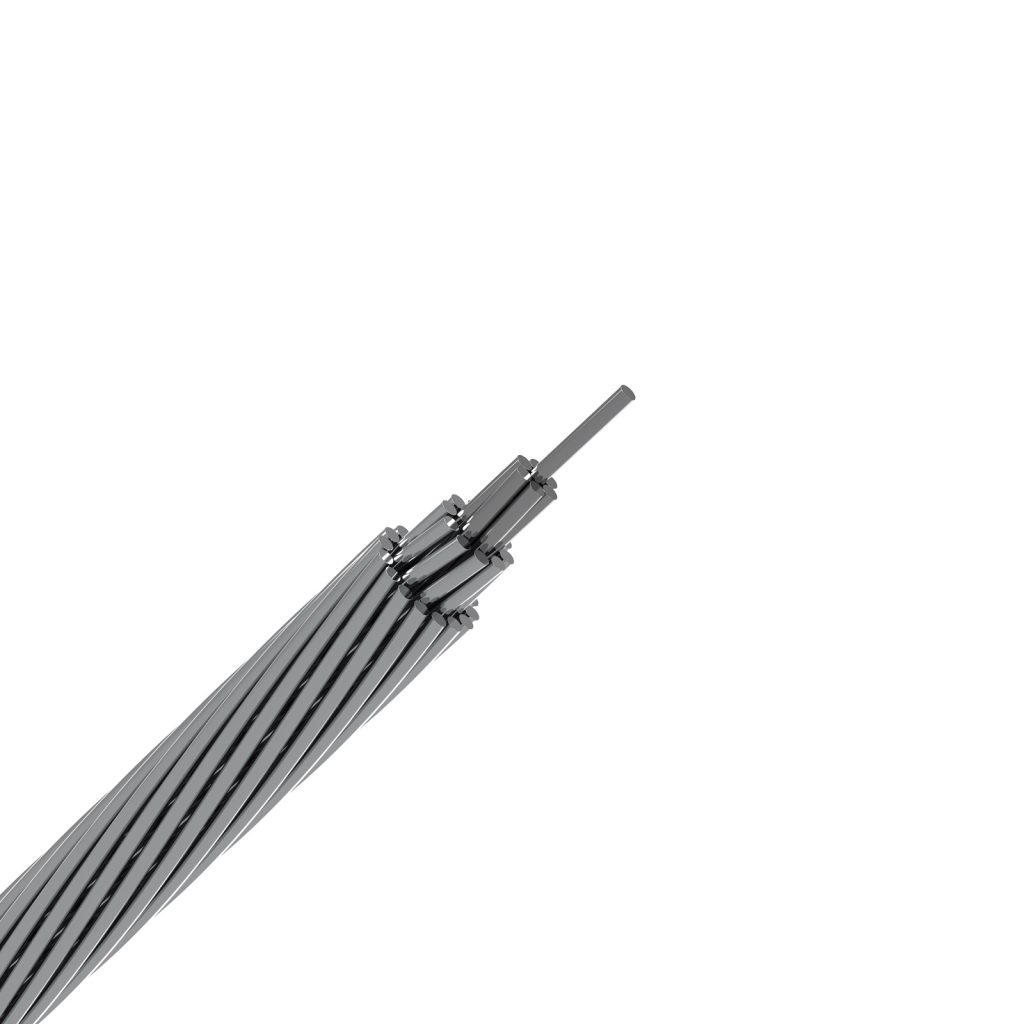
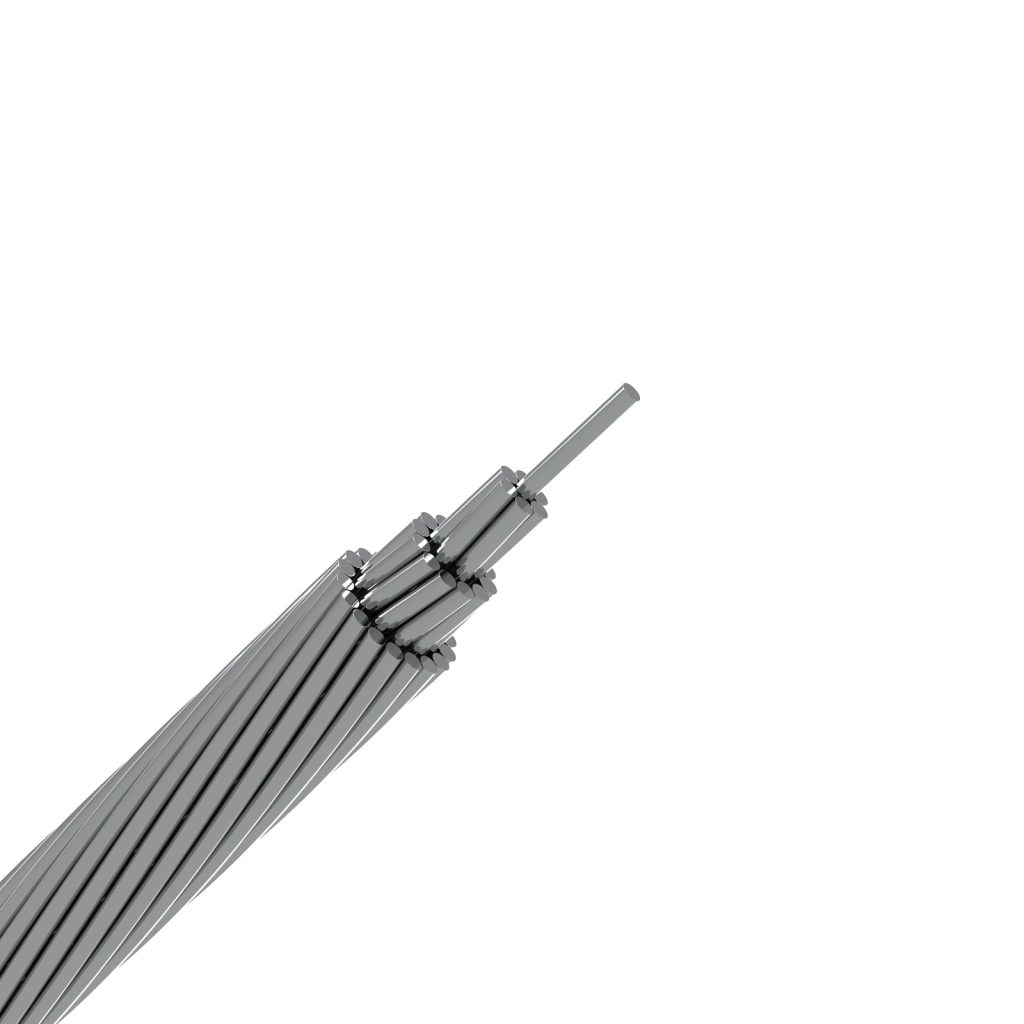
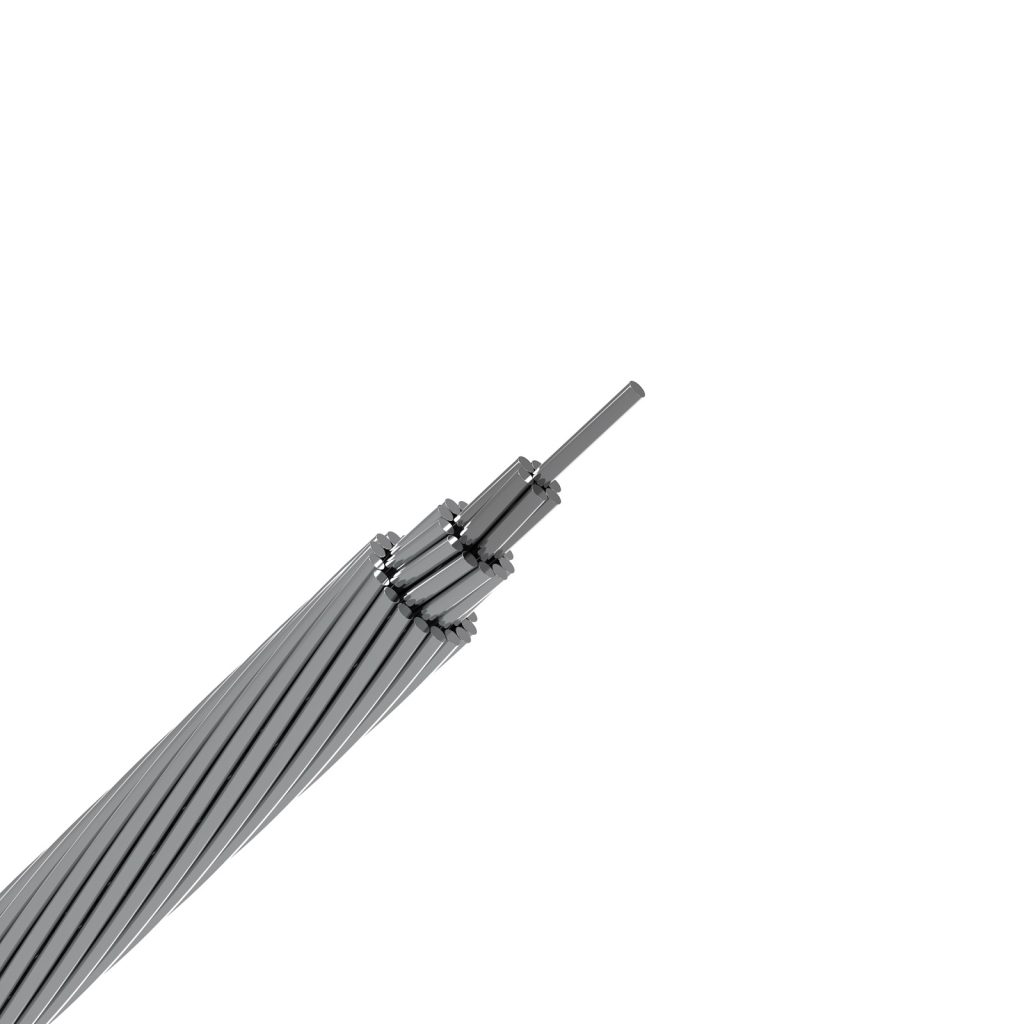
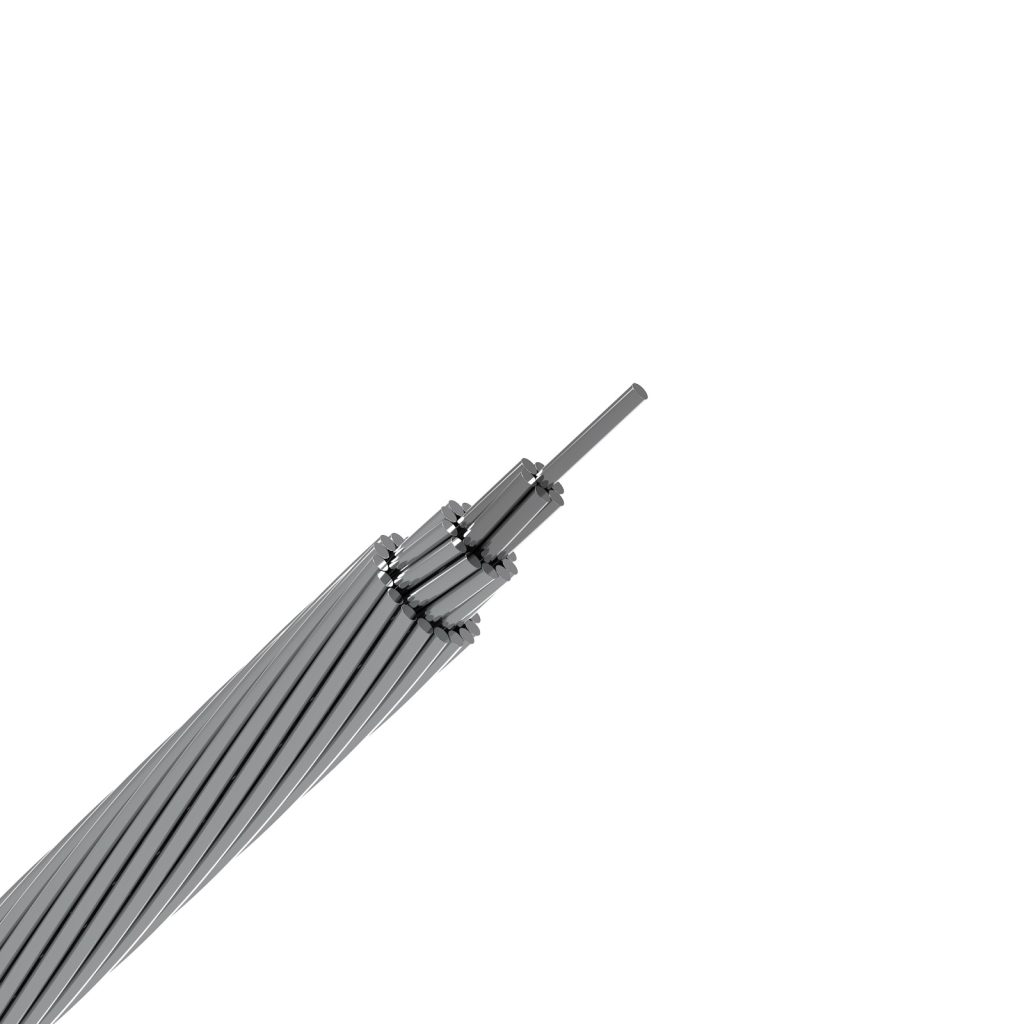
ACSR combines aluminum outer strands for conductivity with a steel core for mechanical strength, making it a widely used option for overhead transmission and distribution lines.
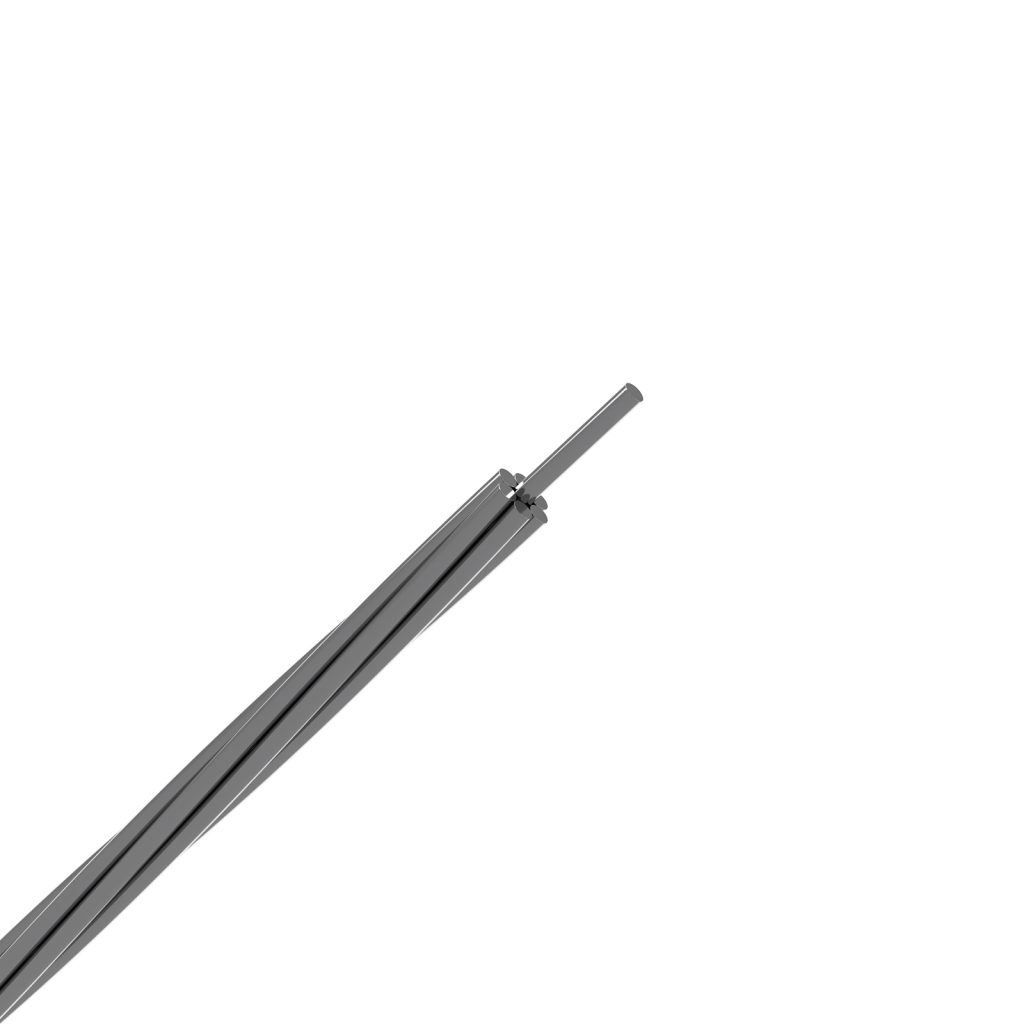
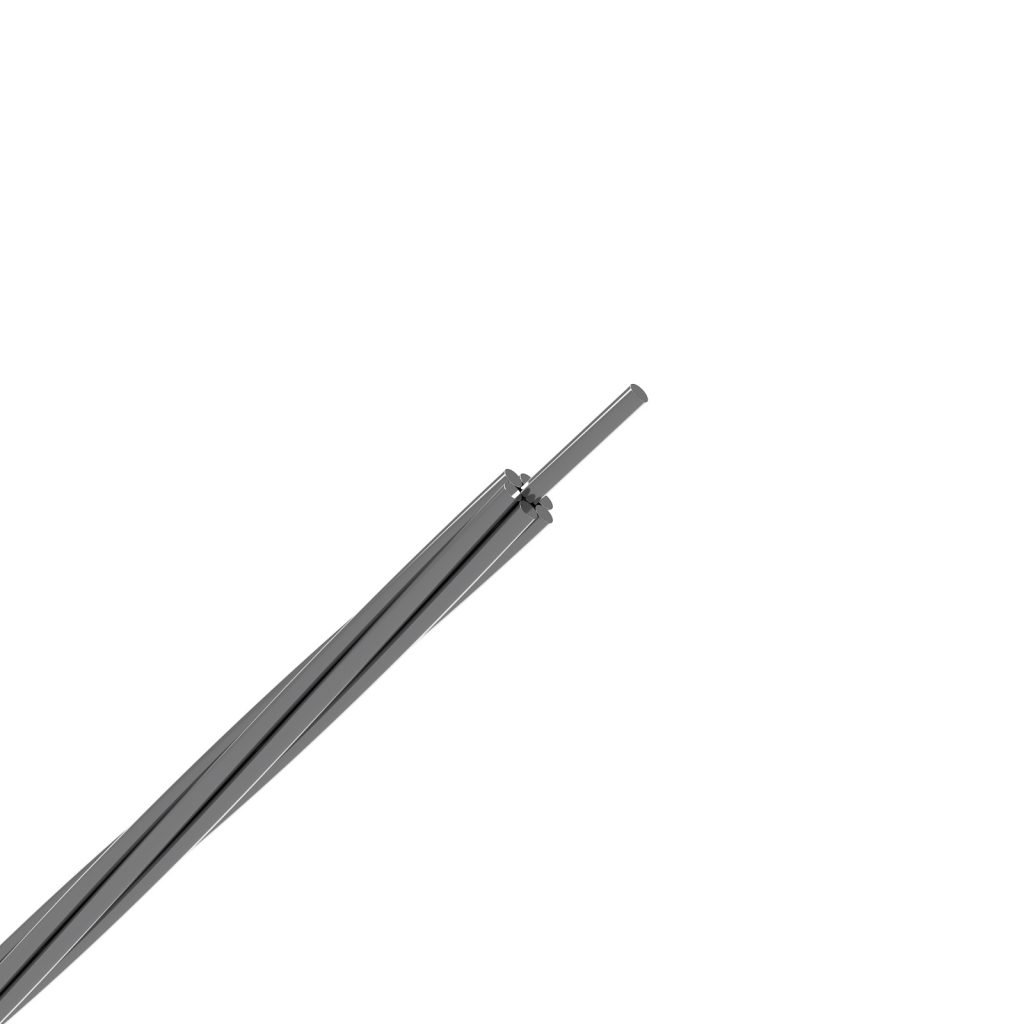
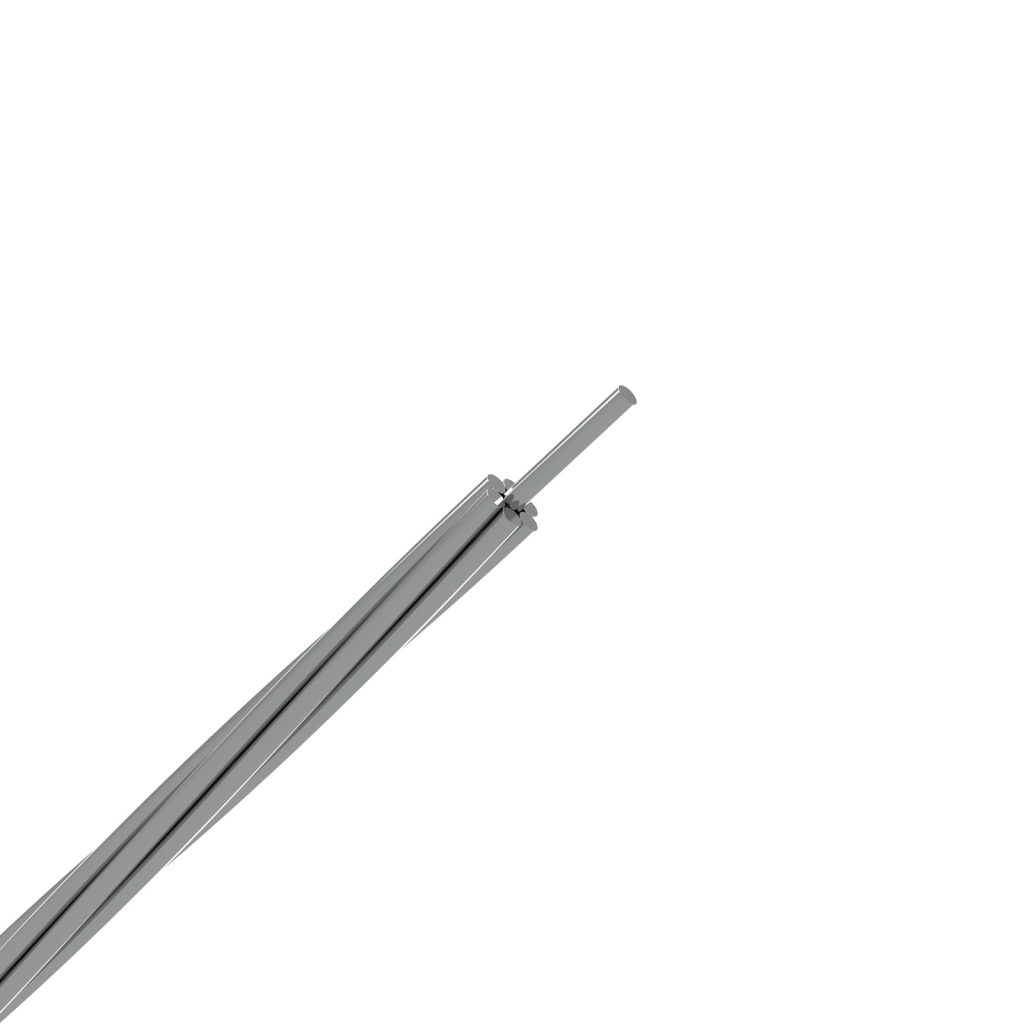
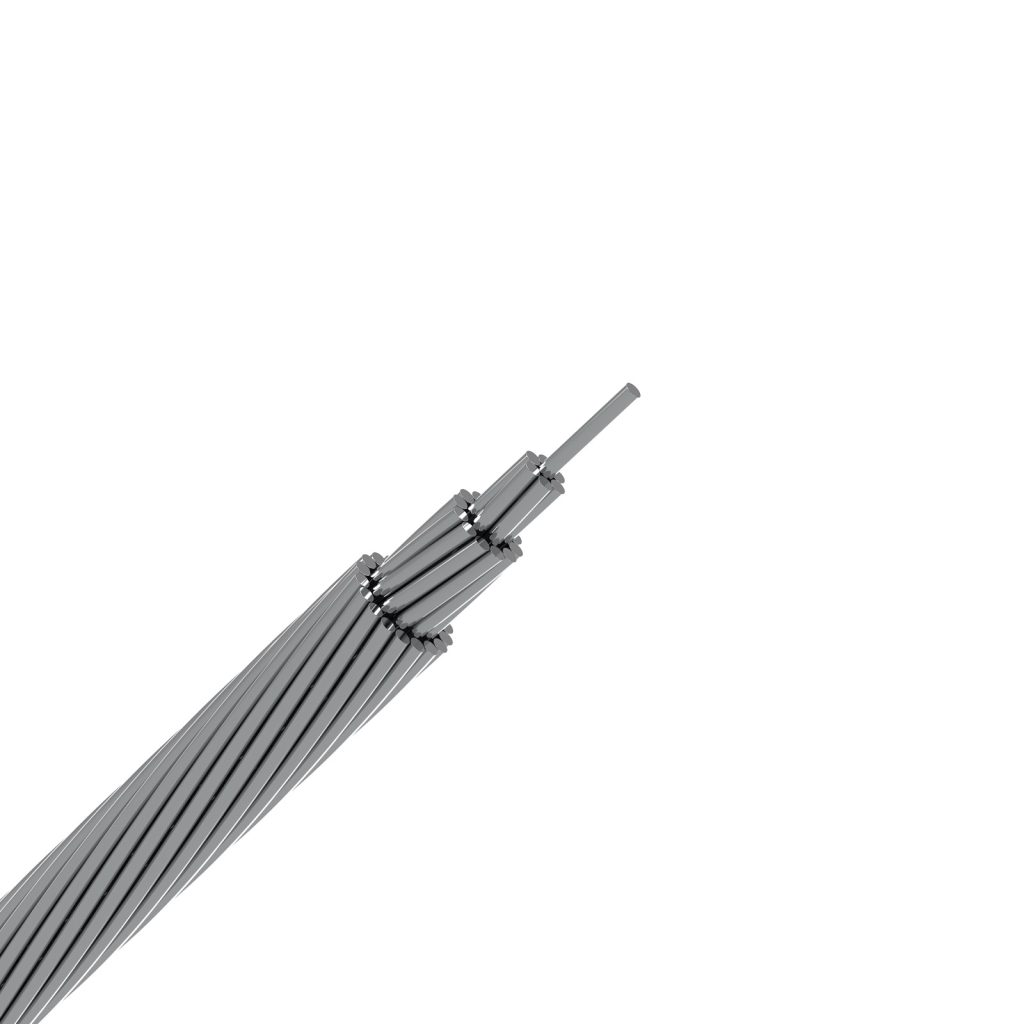
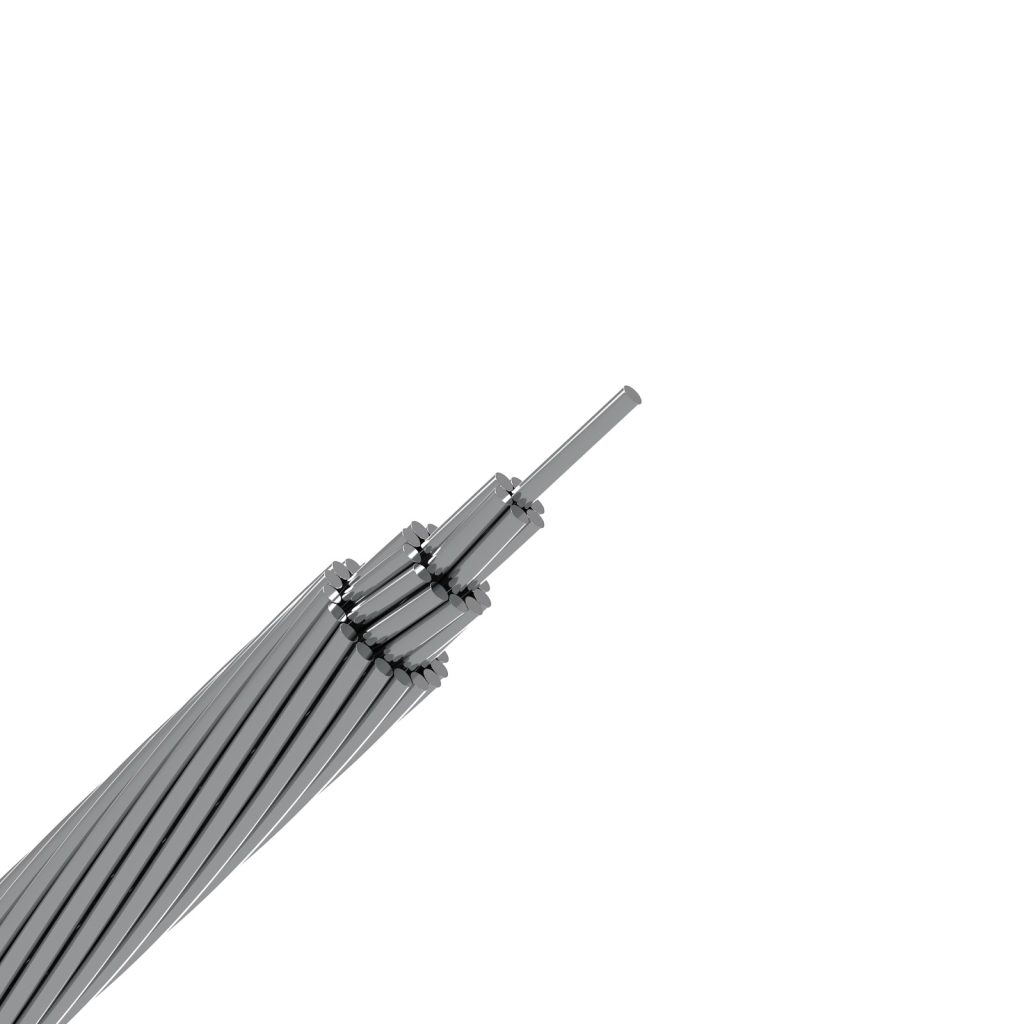
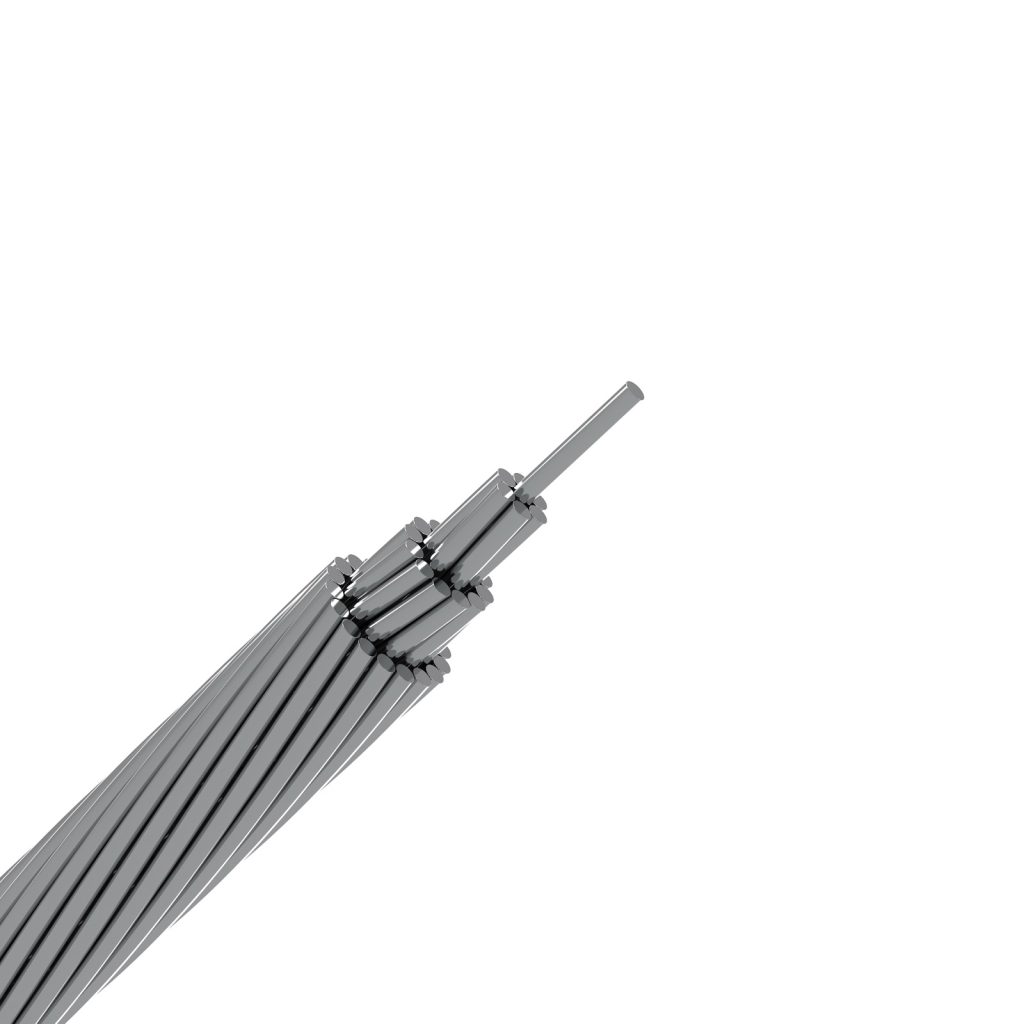
ACSR conductors are composed of aluminum strands laid around a galvanized steel core. This construction balances electrical conductivity and mechanical strength, making ACSR suitable for overhead lines where span length, tensile loading and sag control are important design factors.
Concentric-lay stranded aluminum wires around a galvanized steel core. The aluminum-to-steel ratio, stranding, rated strength, DC resistance and weight should be selected according to the required standard and line design.
Aluminum conductor layers over a steel core provide higher tensile strength for overhead transmission and distribution lines.
A practical conductor choice where span length, wind load or mechanical loading exceeds ordinary AAC requirements.
For ACSR - Aluminum Conductor Steel Reinforced, ACSR sizes are commonly selected from IEC, ASTM, BS, DIN, NFC, GB and utility conductor tables.
| Product / Route | Main Use | Selection Guidance |
| ACSR | High tensile strength | Long spans and high mechanical loading. |
| ACSR/AW | Improved core corrosion resistance | Routes where aluminum-clad steel reinforcement is preferred. |
| AAAC | Alloy conductor without steel core | Corrosion-sensitive routes with moderate to high strength needs. |
Confirm whether the project uses IEC, ASTM, BS, DIN, GB, AS or NFC conductor tables before selecting size.
Compare nominal area, DC resistance and current requirement against the line design and utility specification.
Check rated strength, span length, sag requirement and wind/ice conditions before confirming conductor family.
For higher tension or corrosion performance, compare AAC, AAAC, ACSR, ACAR, AACSR or ACSR/AW as applicable.
| Al / Steel Area (mm²) | Stranding (Al/St) | Overall Diameter (mm) | Weight (kg/km) | Rated Strength (kN) | Max. DC Resistance at 20°C (Ω/km) |
| 50/8 | 6/1 | 9.5 | 197.6 | 11.7 | 0.5653 |
| 75/12 | 6/1 | 11.7 | 296.3 | 17.5 | 0.3769 |
| 100/16 | 6/1 | 13.5 | 395.1 | 23.4 | 0.2826 |
| 150/25 | 30/7 | 17.2 | 600.5 | 35.5 | 0.1884 |
| 175/25 | 30/7 | 18.4 | 668.0 | 39.6 | 0.1615 |
| 200/32 | 30/7 | 19.8 | 790.2 | 46.8 | 0.1413 |
| 240/40 | 26/7 | 22.6 | 960.7 | 56.8 | 0.1178 |
Our technical team is ready to discuss customized cable solutions, compliance documentation, and optimized supply chain strategies for your international projects.
REQUEST A QUOTE